France is one of the most historically rich destinations in the world. Few countries offer such a continuous record of human history—from Roman roads & medieval fortresses to royal palaces and the defining battlefields of the 20th century.
Introduction: France as a Living History Museum
In 2026, history and heritage travel in France continues to attract travelers who seek context, understanding, and meaningful experiences, rather than superficial sightseeing. Exploring France’s past is most rewarding when done region by region, guided by experts who bring events, places, and people to life.
This guide explains where to go, what defines each historical era, and how to experience France’s heritage properly.
Why France Is Central to European History
France has been a crossroads of civilizations for over two millennia. Its territory reflects:
- Roman conquest and infrastructure
- Medieval kingdoms and feudal power
- Royal absolutism and the Enlightenment
- Revolution, empire, and republic
- Two World Wars that reshaped Europe
Each period has left tangible traces that can still be visited today—often within the same region.
Ancient & Roman France
Roman influence remains visible across France, particularly in the south.
Key highlights
- Amphitheaters, aqueducts, and forums
- Early urban planning and road networks
Regions such as Occitanie and Provence contain some of the best-preserved Roman sites, offering insight into daily life and imperial power during antiquity.
Guided visits are essential to understanding how these sites functioned and why they were strategically located.
Medieval France: Castles, Cathedrals & Villages
The medieval period shaped much of France’s architectural identity.
Fortified Towns & Villages
Hilltop villages, ramparts, and fortified towns are found throughout:
These regions reveal how communities adapted to warfare, trade, and geography.
Cathedrals & Religious Heritage
Gothic architecture flourished in northern France, producing some of Europe’s most significant cathedrals. Their scale and symbolism are best understood through expert explanation of medieval society, religion, and craftsmanship.
Royal France & the Age of Kings
From the Renaissance to the French Revolution, royal power left a profound mark on France.
The Loire Valley: Power and Prestige
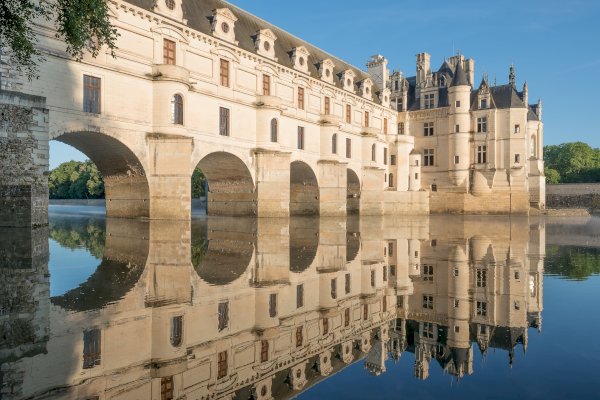
Loire Valley is synonymous with royal châteaux, gardens, and court life.
Why it matters:
- Former seat of royal power
- Architectural evolution from fortress to palace
- Strong link between politics, art, and landscape
The Loire Valley is ideal for heritage-focused multi-day tours, allowing time to explore several sites without rushing.
Revolution, Empire & Modern France
Paris and several regional cities reflect the turbulent transition from monarchy to republic.
Paris remains central to understanding:
- The French Revolution
- Napoleonic history
- The birth of modern France
Historic neighborhoods, monuments, and museums provide context that goes far beyond iconic landmarks.
World War I: The Birth of Modern Warfare
Northern France was profoundly affected by World War I.
Key WWI Regions
- Hauts-de-France
- Parts of eastern France
These landscapes preserve:
- Trenches and memorials
- Cemeteries and museums
- Villages marked by remembrance
WWI sites are deeply moving and require knowledgeable guides to explain their scale, significance, and human impact.
World War II & the D-Day Landings
Normandy: A Turning Point in History
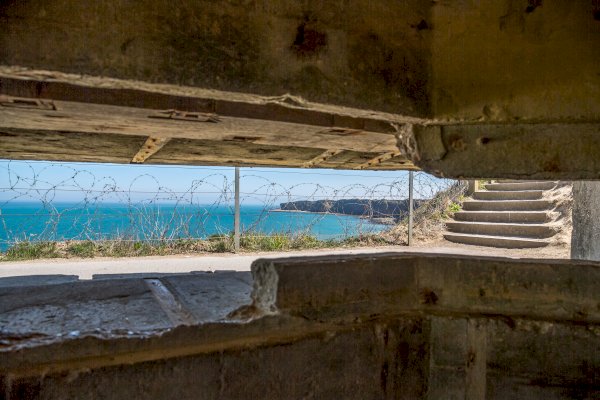
Normandy is internationally known for the D-Day landings of June 6, 1944.
Key elements include:
- Landing beaches
- Military cemeteries
- Strategic sites and memorials
Normandy is a year-round destination, and guided tours are essential to understanding both the military strategy and the human stories behind the events.
Heritage Travel by Region: Where History Comes Alive
Alsace
A region shaped by shifting borders and cultural influences, Alsace offers insight into Franco-German history, identity, and traditions.
Burgundy & Champagne
Beyond wine, these regions reveal centuries of monastic influence, trade, and political power.
Provence & Occitanie
Roman roots, medieval towns, and layered cultural history make southern France ideal for long-form heritage itineraries.
Why Guided History Tours Matter
France’s historical sites are not self-explanatory. Guided tours provide:
- Historical context
- Chronological clarity
- Interpretation of architecture and landscapes
- Personal stories that humanize events
This is particularly important for:
- Battlefield tours
- UNESCO-listed sites
- Multi-regional heritage itineraries
Private and small-group formats allow deeper discussion and a more respectful pace.
Who History & Heritage Tours Are Best For
- History enthusiasts and lifelong learners
- Families seeking educational travel
- Veterans’ groups and remembrance travel
- Cultural travelers looking for depth
- Cruise passengers with limited time ashore
Best Time for History & Heritage Travel in France
- Spring & fall: Ideal weather and lighter crowds
- Summer: Accessible but busier
- Winter: Excellent for museums, memorials, and cities
Many major historical sites remain accessible year-round, particularly in Normandy, Paris, and northern France.
Final Thoughts: Experiencing France Through Its Past
History in France is not confined to museums—it is embedded in landscapes, villages, and daily life. Travelers who approach France through its heritage gain a deeper understanding of the country and its people.
In 2026, history and heritage tours remain one of the most meaningful ways to explore France—especially when guided by local experts who connect past events to present places.
 Please wait