Please wait


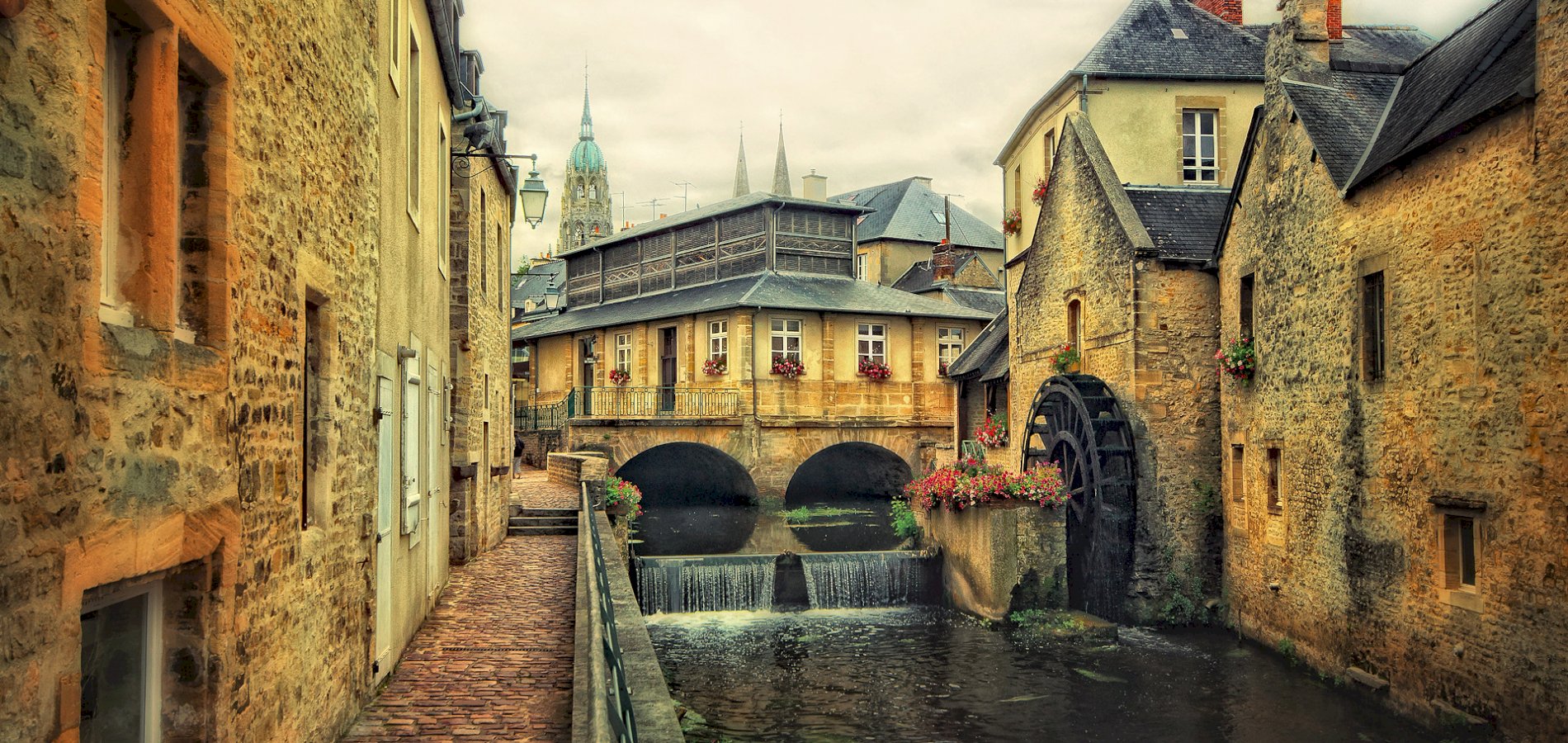
Introduction: Burgundy Is About Precision, Not Volume
Burgundy is one of the most nuanced wine regions in the world. Unlike larger appellations, Burgundy is defined by small vineyard plots, village identities, and subtle differences in terroir. This richness is also what makes Burgundy challenging to navigate without a clear plan.
In 2026, the most rewarding Burgundy wine experiences come from choosing the right villages and vineyards, not from trying to see everything. This guide focuses on how to select villages that offer contrast, coherence, and depth—while keeping travel distances realistic.
For a broader overview of heritage, villages, and travel logistics, see our complete Burgundy travel guide.
Burgundy remains one of the most defining regions for wine travel in France, particularly for travelers interested in terroir.
Understanding Burgundy’s Wine Geography
Burgundy is structured around distinct sub-regions, each with its own personality.
The most visited wine areas include:
- Côte de Nuits (north)
- Côte de Beaune (central)
- Chablis (northwest, separate area)
Each plays a different role in a well-designed itinerary.
Côte de Nuits: Structure, Depth & Iconic Reds
The Côte de Nuits is known for producing some of Burgundy’s most celebrated red wines. Villages here are tightly clustered, but their identities differ greatly.
Gevrey-Chambertin
Gevrey-Chambertin is one of the most emblematic villages of the Côte de Nuits.
Why include it:
- Powerful, structured red wines
- Clear sense of terroir
- Easy introduction to northern Burgundy
It works well as a first stop when departing from Dijon.
Nuits-Saint-Georges
Nuits-Saint-Georges offers a more understated, local atmosphere.
Why it adds balance:
- Less polished than some neighbors
- Strong connection between town and vineyards
- Good contrast with more famous appellations
This village often appeals to travelers interested in authentic regional life, not just labels.
Côte de Beaune: Elegance, Balance & Village Life
South of the Côte de Nuits, the Côte de Beaune combines vineyards, villages, and a gentler rhythm of travel.
Beaune
Beaune is the cultural heart of the region and an ideal base for exploring nearby villages.
Why Beaune matters:
- Walkable historic center
- Wine culture and markets
- Strategic location between villages
Beaune is often where travelers begin to understand Burgundy beyond the vineyards.
Meursault
Meursault is synonymous with refined white wines and village charm.
Why travelers love it:
- Clearly defined village identity
- Accessible vineyards
- Excellent balance between wine and atmosphere
Meursault pairs particularly well with nearby villages to show stylistic contrast.
Pommard & Volnay
Pommard and Volnay are often visited together.
Why they work as a pair:
- Close proximity
- Distinct wine styles
- Compact village settings
They are ideal for comparative tastings without excessive driving.
Chablis: A Distinct Expression of Burgundy
Chablis sits apart geographically and stylistically from the Côte d’Or.
Why include Chablis:
- Cooler climate wines
- Clear terroir expression
- Quieter, more rural atmosphere
Chablis works best as part of a multi-day itinerary, not as a rushed add-on.
How Many Villages Should You Visit?
A realistic guideline:
- 2 villages per half day → ideal
- 3 villages per day → maximum
- More than 3 → rushed and superficial
Villages are close on a map, but visits involve:
- Walking
- Tastings
- Conversation and context
Depth matters more than coverage. Seasonal conditions influence pacing; our guide to the best time to visit Burgundy explains when village exploration is most comfortable.
Why Guided Travel Makes Sense in Burgundy
Burgundy’s vineyards are:
- Highly fragmented
- Often unmarked
- Appointment-based
Guided itineraries allow for:
- Pre-arranged winery visits
- Logical village sequencing
- Context about terroir and history
- Safe enjoyment of tastings
This is especially important for travelers unfamiliar with Burgundy’s complexity.
Burgundy Wine Villages & Multi-Day Travel
Multi-day itineraries allow:
- Combining Côte de Nuits and Côte de Beaune
- Adding Beaune and surrounding villages
- Optional extension to Chablis
- Visits timed for light and crowd levels
For most travelers, 2–4 days unlock Burgundy’s full potential. Our Burgundy multi-day tours are designed to connect villages and vineyards with realistic pacing and minimal transit time.
Practical Note for Multi-Day Travelers
For guests traveling on multi-day Burgundy itineraries, practical travel information such as daily schedules, meeting points, and key details are provided digitally through the Ophorus travel app, ensuring smooth coordination throughout the journey.
Final Thoughts: Burgundy Is About Understanding Place
Burgundy rewards travelers who slow down, ask questions, and focus on why villages differ, not just how famous they are. Choosing fewer villages—and choosing them well—creates a far richer and more memorable experience.
In 2026, Burgundy remains one of France’s most intellectually satisfying wine regions when explored thoughtfully.
For practical questions about wine visits, pacing, and logistics, our France travel FAQ provides clear guidance.