Please wait



Introduction: Why Burgundy Rewards Slower Travel in 2026
Burgundy is one of France’s most intellectually rich regions. Known worldwide for its wines, Burgundy is equally defined by historic towns, Romanesque abbeys, stone villages, and a deep sense of place.
In 2026, Burgundy appeals particularly to travelers who value depth over spectacle. This is not a region to rush. Its pleasures emerge through understanding terroir, walking historic streets, and allowing time for landscapes and meals to unfold naturally.
For a broader overview of France’s regions, seasons, and travel styles, see our complete France travel guide for 2026.
Burgundy at a Glance
- Best for: Wine culture, heritage, villages, gastronomy
- Seasonality: April–October
- Ideal stay: 3–5 days
- Travel style: Small group tours, private tours, multi-day itineraries
Burgundy is compact on a map, but rich enough to justify several days when explored properly.
Understanding Burgundy: More Than a Wine Region
While wine is central to Burgundy’s identity, reducing the region to vineyards alone misses its essence.
Burgundy is also:
- A former seat of ducal power
- Home to remarkable medieval and religious heritage
- A landscape shaped by centuries of agriculture and craftsmanship
This layered history is what makes Burgundy particularly rewarding for culturally curious travelers.
Where to Start Your Burgundy Journey: Dijon
Dijon is the historic capital of Burgundy and the natural starting point for exploring the region. Well connected by high-speed train from Paris, Dijon offers an ideal balance between accessibility and proximity to Burgundy’s vineyards, villages, and heritage sites.
Unlike smaller wine villages, Dijon provides:
- Easy rail access from Paris and other major cities
- A compact historic center worth exploring
- Direct access to the Côte de Nuits and Côte de Beaune wine regions
For these reasons, many Burgundy itineraries are designed to depart from Dijon, allowing travelers to move efficiently from city to countryside without unnecessary backtracking.
Dijon: More Than a Transit City
Dijon is not just a logistical hub—it is a destination in its own right.
Highlights include:
- A well-preserved medieval and Renaissance center
- Ducal heritage reflecting Burgundy’s former political power
- Local markets and regional gastronomy
Spending even a short amount of time in Dijon adds valuable historical and cultural context before heading into the vineyards and villages.
Why Dijon Works So Well for Burgundy Tours
From an itinerary perspective, Dijon offers several advantages:
- Short driving distances to key wine villages
- Logical routing south through the Côte d’Or
- Flexibility for multi-day itineraries without retracing routes
This makes Dijon an ideal departure point for small group and private Burgundy tours, particularly those designed to explore multiple sub-regions at a relaxed pace.
Beaune: The Cultural Heart of Burgundy
Beaune serves as Burgundy’s historic and cultural center.
Why Beaune Matters
- Walkable old town
- Lively markets and wine culture
- Home to the iconic Hospices de Beaune
Beaune works exceptionally well as a base for exploring surrounding vineyards and villages.
Burgundy Wine Landscapes: Côte de Beaune, Côte de Nuits & Chablis
Côte de Beaune
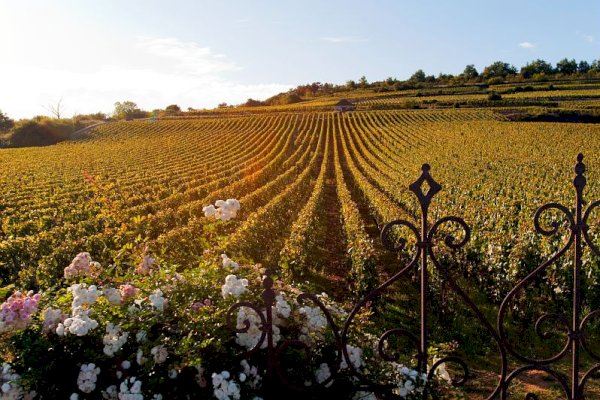
Known for elegant whites and refined reds, this area combines vineyards with charming villages.
Côte de Nuits
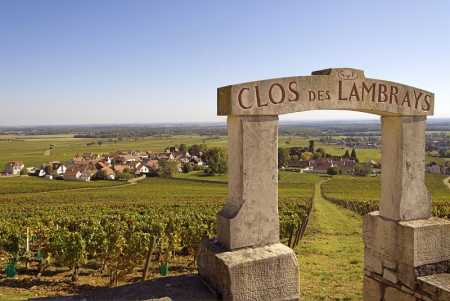
Famous for prestigious red wines and tightly defined vineyard plots, often referred to as “climats.”
Chablis
Chablis offers a cooler climate and distinctive wines, with a quieter, more rural atmosphere.
Understanding these sub-regions adds meaning to tastings and vineyard visits. Burgundy plays a central role in wine travel in France, particularly for travelers interested in terroir and tradition.
Villages of Burgundy: Stone, Silence & Continuity
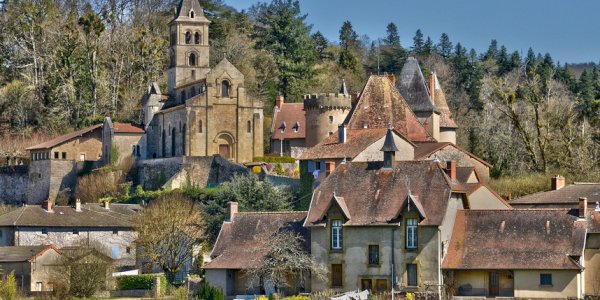
Burgundy’s villages are understated but deeply atmospheric.
Depending on itinerary and pace, visits may include:
- Meursault
- Pommard
- Nuits-Saint-Georges
These villages are best appreciated outside peak hours, reinforcing the value of thoughtful routing and timing.
The understated beauty of Burgundy villages often places the region among the most refined scenic countryside and villages of France.
Heritage Beyond Wine: Abbeys & History
Burgundy played a major role in medieval Europe.
Key heritage themes include:
- Romanesque architecture
- Monastic influence on agriculture and wine
- Historic pilgrimage routes
Sites such as Cluny Abbey (regionally) highlight Burgundy’s spiritual and cultural depth.
Burgundy Day Trips vs Multi-Day Travel
Day Trips
Day trips can offer:
- A brief introduction to vineyards
- Limited time in one area
They work best for travelers already nearby.
Multi-Day Burgundy Travel
Strongly recommended.
Multi-day itineraries allow:
- Exploration of multiple sub-regions
- Time for villages, heritage, and meals
- Visits scheduled around opening times and light
For most travelers, Burgundy truly comes alive over several days. Our Burgundy multi-day tours are designed to combine vineyards, villages, and heritage sites at a relaxed pace.
How to Get Around Burgundy
Public transport connects major towns but does not serve villages or vineyards well.
The most effective way to explore Burgundy includes:
- Chauffeur-driven private tours
- Small group tours with local driver-guides
- Multi-day itineraries with accommodation included
This ensures relaxed pacing and deeper understanding.
Best Time to Visit Burgundy
- Spring (April–June): Mild weather, active vineyards
- Summer (July–August): Lively but busier
- Early Fall (September): Harvest season, excellent atmosphere
Winter is quieter, with reduced tourism activity.
Burgundy as Part of a Broader France Itinerary
Burgundy combines naturally with:
- Paris (easy rail access)
- Champagne
- The Loire Valley
It fits well into multi-regional journeys focused on culture and wine.
Practical Note for Multi-Day Travelers
For guests traveling on multi-day itineraries in Burgundy, practical travel information such as daily schedules, meeting points, and key details are provided digitally through the Ophorus travel app,
ensuring smooth coordination throughout the journey.
Final Thoughts: Burgundy Is About Understanding, Not Speed
Burgundy is subtle, layered, and deeply rooted in history. Travelers who slow down, ask questions, and allow time between experiences consistently describe it as one of France’s most enriching regions.
In 2026, Burgundy remains best experienced through well-paced, multi-day travel that honors both its wines and its heritage.
For practical questions about pacing, wine visits, and logistics, our France travel FAQ provides clear guidance.