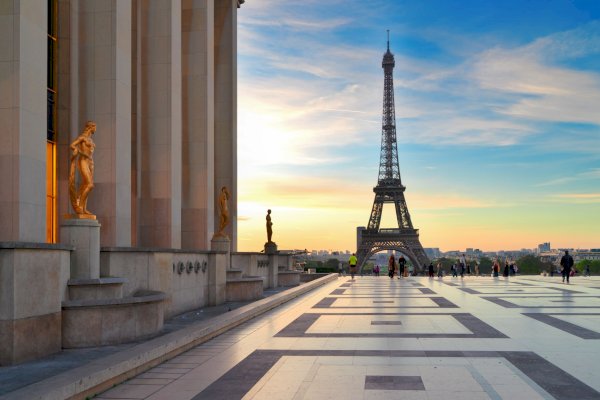
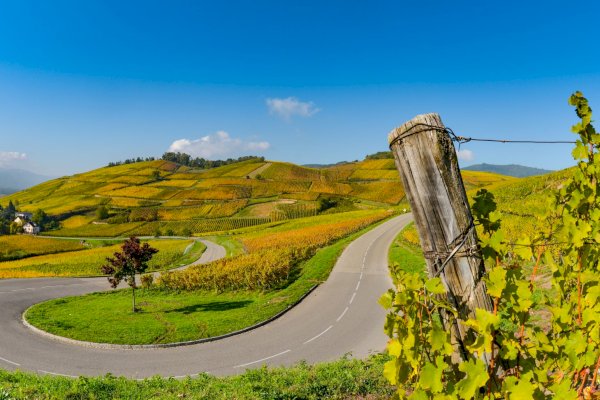
Paris is one of the world’s great cities, and for many travelers, it is the natural starting point of a journey through France. Yet limiting a trip to Paris alone means missing what many locals consider the true heart of France: its regions.
Introduction: France Does Not End in Paris
Beyond the capital, France reveals a slower pace, deeper traditions, and landscapes shaped by centuries of history. Villages replace boulevards, markets replace monuments, and regional identity becomes central.
Exploring France “like a local” means leaving the main routes, understanding regional differences, and traveling with intention.
France Is a Patchwork of Regions, Not a Single Destination
France is best understood as a mosaic of regions, each with:
- Its own cuisine and wine traditions
- Its own architectural style
- Its own rhythm of life
- Its own ideal season
This diversity explains why many repeat visitors return to France again and again, each time focusing on a different part of the country. Traveling beyond Paris is not about going farther—it is about going deeper.
Why the Regions Matter More Than Ever in 2026
In 2026, travel trends favor:
- Fewer destinations, explored in depth
- Authentic experiences over checklist sightseeing
- Comfort, pacing, and context
France’s regions answer these expectations perfectly. They offer space, variety, and a strong sense of place—particularly when explored with local insight rather than rigid schedules.
How Locals Experience Regional France
Time Over Distance
Locals rarely try to “see everything.” Instead, they focus on one or two regions and allow time for:
- Markets
- Scenic drives
- Long lunches
- Unplanned discoveries
Villages Over Cities
While cities play an important role, much of regional France is defined by:
- Hilltop villages
- Small towns
- Rural landscapes
These places are often difficult to reach without local knowledge or flexible transportation.
Seasons Matter
Locals adapt their travel to the seasons:
- Spring and fall for wine regions
- Summer for coastlines and countryside
- Winter for culture, history, and traditions
Key Regions to Discover Beyond Paris
Normandy: History, Coastline, and Countryside
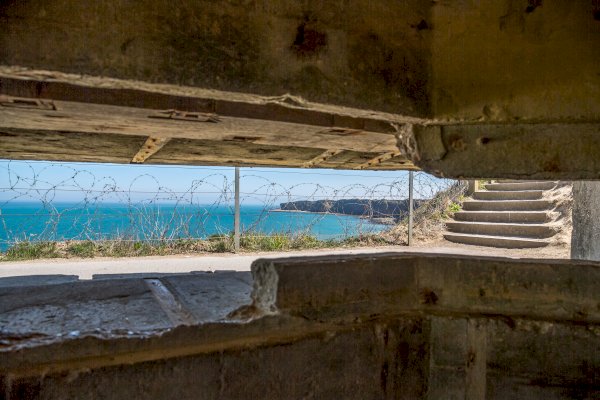
Normandy is one of the most accessible regions from Paris, yet it feels worlds away. Known for its coastline, D-Day sites, and pastoral landscapes, Normandy is a year-round destination.
It is particularly well suited to:
- Cultural and historical travel
- Battlefield tours
- Shore excursions
Loire Valley: Royal Heritage and Landscapes
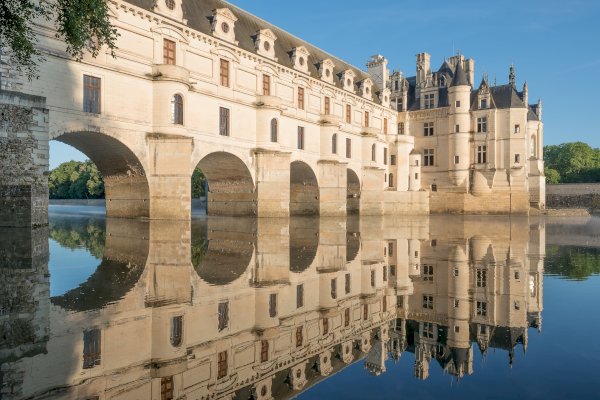
Loire Valley offers a concentration of castles, gardens, and historic towns. Best explored between spring and early fall, it appeals to travelers interested in:
- Architecture and history
- Scenic countryside
- Elegant, relaxed itineraries
Champagne and Burgundy: Wine with Deep Roots
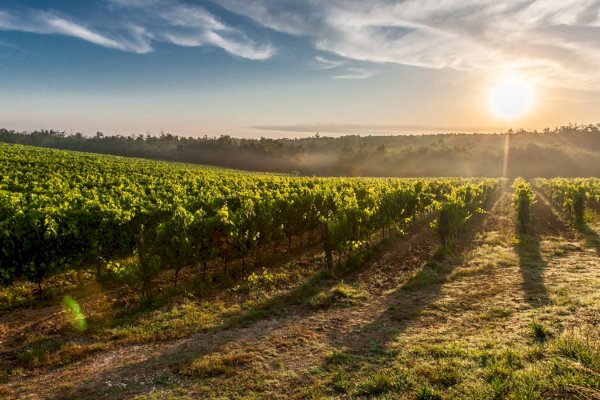
Champagne and Burgundy are not simply wine destinations—they are cultural regions shaped by centuries of tradition.
These areas are ideal for:
- Food and wine travel
- Cultural itineraries
- Slow, in-depth exploration
Bordeaux & the Southwest: Wine, Gastronomy, and Rivers
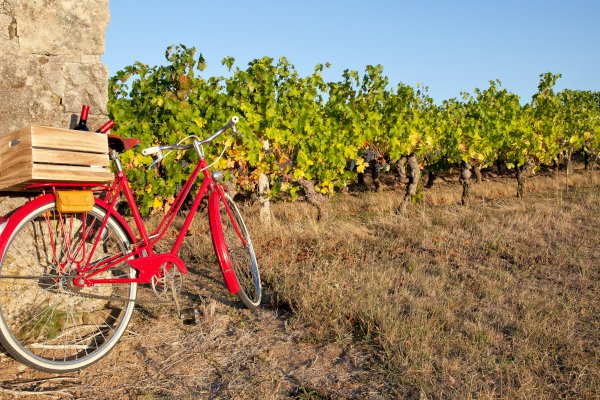
Bordeaux combines an elegant city with surrounding vineyards and river landscapes. It operates comfortably year-round and works particularly well for:
- Wine-focused travel
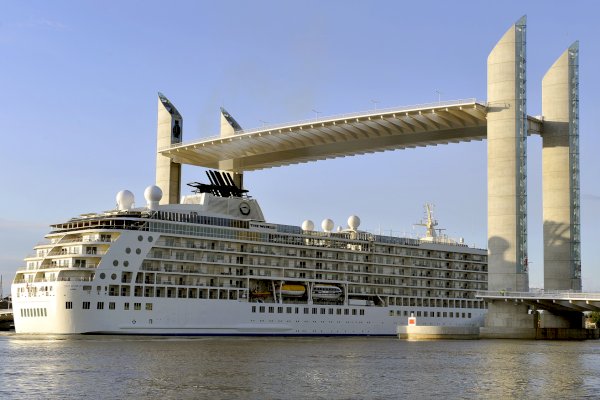
- River cruise excursions
- Multi-day itineraries
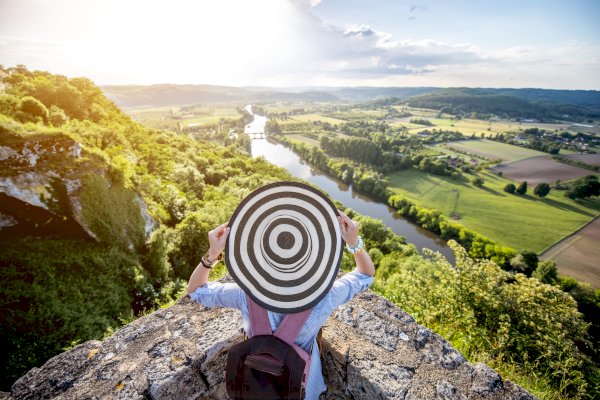
Nearby regions such as the Dordogne add medieval villages and family-friendly countryside.
Provence: Villages, Markets, and Mediterranean Light
Provence is one of France’s most iconic regions, best experienced from April to October. Provence rewards travelers who take time to explore its villages, markets, and landscapes rather than rushing between highlights.
French Riviera: Beyond the Glamour
French Riviera is often associated with luxury and seaside resorts, but beyond the coast lie hill towns, artistic heritage, and scenic routes that reveal a more nuanced side of the region.
Alsace: Villages, Wine Route, and Traditions
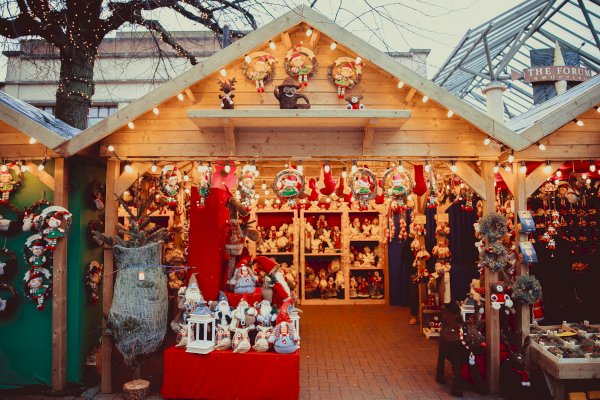
Alsace offers a unique blend of French and German influences. It is a four-season destination, famous for its wine route, storybook villages, and Christmas markets in late November and December.
Brittany, Occitanie, and the North of France
Regions such as Brittany, Occitanie, and Hauts-de-France appeal to travelers seeking coastal scenery, heritage sites, and a slower, less touristic pace.
How to Explore the Regions Like a Local
Choose the Right Base
Staying in smaller towns or regional hubs allows easier access to villages and countryside.
Avoid Rigid Schedules
Allow flexibility for markets, weather, and spontaneous stops.
Travel with Local Expertise
Local driver-guides provide:
- Context and storytelling
- Efficient routing
- Access to places not easily reached independently
This is especially valuable for multi-regional itineraries and private travel.
Multi-Regional Travel: The Local Way to See More
Combining Paris with one or two regions is often the most satisfying approach. Popular combinations include:
- Paris + Normandy
- Paris + Loire Valley
- Paris + Bordeaux
- Paris + Provence
When thoughtfully planned, multi-day tours allow travelers to experience the diversity of France without rushing.
Final Thoughts: Discovering the Real France
Paris is essential—but it is only the beginning. Beyond the capital, France reveals its true character through its regions: in villages, landscapes, food traditions, and local ways of life.
Traveling beyond Paris in 2026 means embracing a slower pace, choosing depth over distance, and discovering France the way locals know it—region by region.
 Please wait