loading Ophorus Please wait
USE PROMO CODE SUMMERVIBE26 AND RECEIVE 10% DISCOUNT ON A SELECTION OF TOURS
Ophorus app available
logo Ophorus Tours Your order is being processed, please wait loading Ophorus
Popular Destinations in France

History & Heritage Tours in France: From Ancient Times to World Wars

Ophorus Blog - History & Heritage Tours in France: From Ancient Times to World Wars
France is one of the most historically rich destinations in the world. Few countries offer such a continuous record of human history—from Roman roads & medieval fortresses to royal palaces and the defining battlefields of the 20th century.

Introduction: France as a Living History Museum

In 2026, history and heritage travel in France continues to attract travelers who seek context, understanding, and meaningful experiences, rather than superficial sightseeing. Exploring France’s past is most rewarding when done region by region, guided by experts who bring events, places, and people to life.

This guide explains where to go, what defines each historical era, and how to experience France’s heritage properly.

Why France Is Central to European History

France has been a crossroads of civilizations for over two millennia. Its territory reflects:

  • Roman conquest and infrastructure
  • Medieval kingdoms and feudal power
  • Royal absolutism and the Enlightenment
  • Revolution, empire, and republic
  • Two World Wars that reshaped Europe

Each period has left tangible traces that can still be visited today—often within the same region.

Ancient & Roman France

Roman influence remains visible across France, particularly in the south.

Key highlights

  • Amphitheaters, aqueducts, and forums
  • Early urban planning and road networks

Regions such as Occitanie and Provence contain some of the best-preserved Roman sites, offering insight into daily life and imperial power during antiquity.

Guided visits are essential to understanding how these sites functioned and why they were strategically located.

Medieval France: Castles, Cathedrals & Villages

The medieval period shaped much of France’s architectural identity.

Fortified Towns & Villages

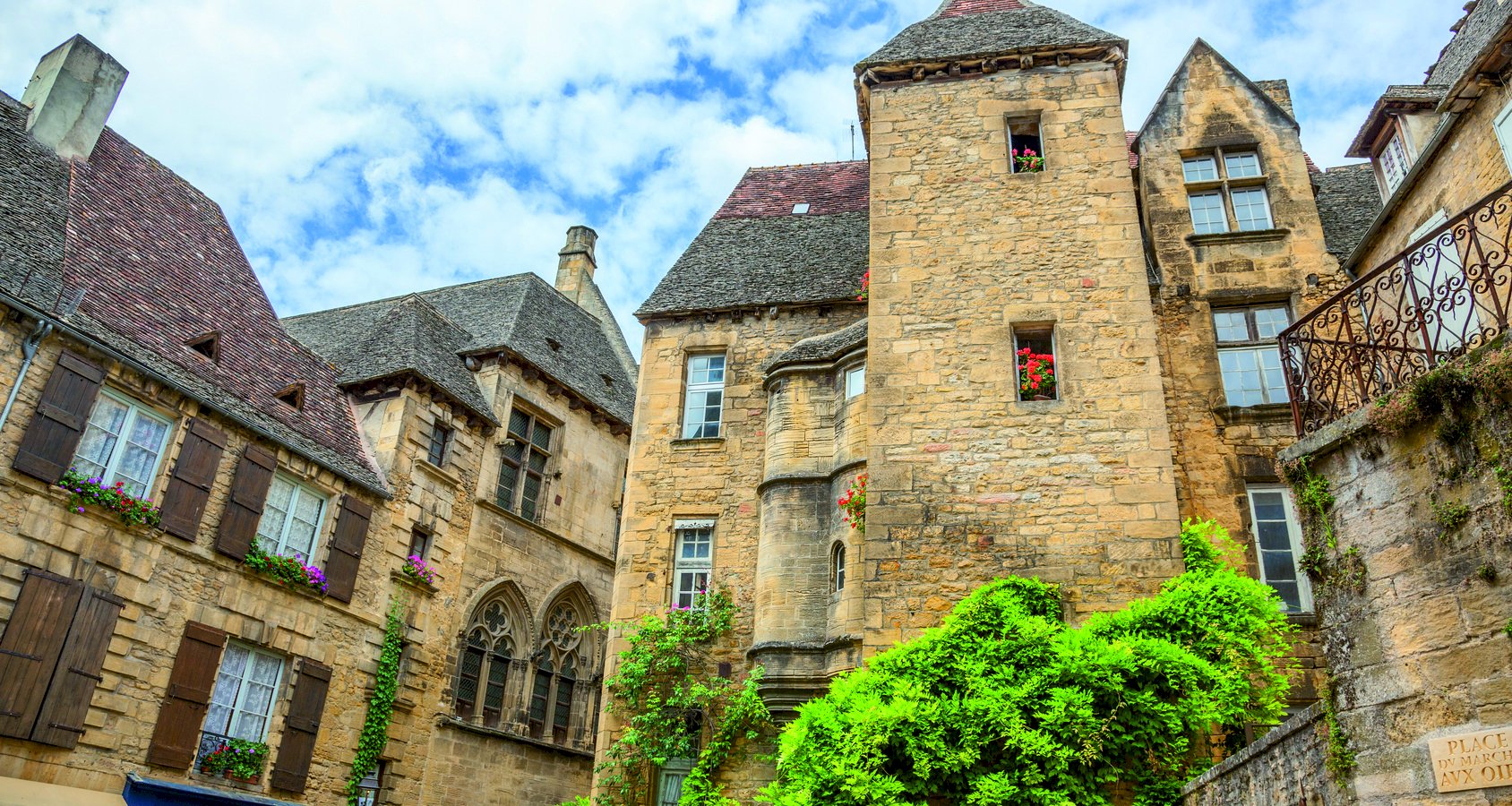
Hilltop villages, ramparts, and fortified towns are found throughout:

  • Dordogne
  • Brittany
  • Alsace

These regions reveal how communities adapted to warfare, trade, and geography.

Cathedrals & Religious Heritage

Gothic architecture flourished in northern France, producing some of Europe’s most significant cathedrals. Their scale and symbolism are best understood through expert explanation of medieval society, religion, and craftsmanship.

Royal France & the Age of Kings

From the Renaissance to the French Revolution, royal power left a profound mark on France.

The Loire Valley: Power and Prestige

Loire Valley is synonymous with royal châteaux, gardens, and court life.

Why it matters:

  • Former seat of royal power
  • Architectural evolution from fortress to palace
  • Strong link between politics, art, and landscape

The Loire Valley is ideal for heritage-focused multi-day tours, allowing time to explore several sites without rushing.

Revolution, Empire & Modern France

Paris and several regional cities reflect the turbulent transition from monarchy to republic.

Paris remains central to understanding:

  • The French Revolution
  • Napoleonic history
  • The birth of modern France

Historic neighborhoods, monuments, and museums provide context that goes far beyond iconic landmarks.

World War I: The Birth of Modern Warfare

Northern France was profoundly affected by World War I.

Key WWI Regions

  • Hauts-de-France
  • Parts of eastern France

These landscapes preserve:

  • Trenches and memorials
  • Cemeteries and museums
  • Villages marked by remembrance

WWI sites are deeply moving and require knowledgeable guides to explain their scale, significance, and human impact.

World War II & the D-Day Landings

Normandy: A Turning Point in History

Normandy is internationally known for the D-Day landings of June 6, 1944.

Key elements include:

  • Landing beaches
  • Military cemeteries
  • Strategic sites and memorials

Normandy is a year-round destination, and guided tours are essential to understanding both the military strategy and the human stories behind the events.

Heritage Travel by Region: Where History Comes Alive

Alsace

A region shaped by shifting borders and cultural influences, Alsace offers insight into Franco-German history, identity, and traditions.

Burgundy & Champagne

Beyond wine, these regions reveal centuries of monastic influence, trade, and political power.

Provence & Occitanie

Roman roots, medieval towns, and layered cultural history make southern France ideal for long-form heritage itineraries.

Why Guided History Tours Matter

France’s historical sites are not self-explanatory. Guided tours provide:

  • Historical context
  • Chronological clarity
  • Interpretation of architecture and landscapes
  • Personal stories that humanize events

This is particularly important for:

  • Battlefield tours
  • UNESCO-listed sites
  • Multi-regional heritage itineraries

Private and small-group formats allow deeper discussion and a more respectful pace.

Who History & Heritage Tours Are Best For

  • History enthusiasts and lifelong learners
  • Families seeking educational travel
  • Veterans’ groups and remembrance travel
  • Cultural travelers looking for depth
  • Cruise passengers with limited time ashore

Best Time for History & Heritage Travel in France

  • Spring & fall: Ideal weather and lighter crowds
  • Summer: Accessible but busier
  • Winter: Excellent for museums, memorials, and cities

Many major historical sites remain accessible year-round, particularly in Normandy, Paris, and northern France.

Final Thoughts: Experiencing France Through Its Past

History in France is not confined to museums—it is embedded in landscapes, villages, and daily life. Travelers who approach France through its heritage gain a deeper understanding of the country and its people.

In 2026, history and heritage tours remain one of the most meaningful ways to explore France—especially when guided by local experts who connect past events to present places.


Secured payments

Payments secured by Stripe

Easy cancellation

Free cancellation on most tours

Trusted reviews

Verified traveler reviews only

Secured payments

Book your experience with complete peace of mind. All payments made on Ophorus are securely processed through Stripe, a trusted international payment platform.

Your payment information is encrypted and handled directly by Stripe. Ophorus does not store your credit card details.

You can pay safely using the available payment methods displayed at checkout. Once your payment has been confirmed, you will receive your booking confirmation by email.

Frequently Asked Questions
  • Is it safe to pay on Ophorus?

    Yes. Payments made on Ophorus are securely processed by Stripe. Your payment information is encrypted and transmitted directly through Stripe’s secure payment infrastructure.
  • What is Stripe?

    Stripe is an international payment provider that processes online transactions for businesses around the world. It holds PCI DSS Level 1 certification, the highest certification level in the payment industry.
  • Which payment methods are accepted?

    The payment methods available are displayed during checkout. Their availability may vary depending on your country, currency and device.
  • Why was my payment declined?

    A payment may be declined by your bank for several reasons, including insufficient funds, an incorrect card detail, an expired card or a security restriction. We recommend checking your information or contacting your bank before trying again.
  • What is 3D Secure authentication?

    3D Secure is an additional verification step provided by your bank. You may be asked to confirm your payment through your banking application, a security code or another authentication method.
  • Will I receive confirmation after payment?

    Yes. Once your payment and booking have been successfully confirmed, you will receive a confirmation email containing your booking details.
  • What should I do if I am charged but receive no confirmation?

    Please check your spam folder first. If you still cannot find your booking confirmation, contact the Ophorus team with the name and email address used for the booking. Avoid sending your full card number by email.
Easy cancellation

We understand that travel plans can change. That is why many Ophorus experiences include flexible cancellation conditions, allowing you to cancel your booking free of charge when the request is made before the applicable cancellation deadline.

The exact conditions depend on the type of experience booked, the departure date and any services included. Your cancellation policy is clearly displayed on the experience page and during the booking process, so you can review it before confirming your reservation.

Some tickets, tastings, meals, accommodation or third-party services may be non-refundable. When a cancellation qualifies for a refund, the amount is returned using the original payment method.

For full details, always refer to the cancellation conditions associated with your booking and to the Ophorus Terms of Sale.

Frequently Asked Questions
  • Can I cancel my Ophorus booking?

    Yes. You can request the cancellation of your booking, subject to the conditions and deadline associated with your selected experience.
  • Is cancellation free?

    Many tours can be cancelled free of charge when the request is submitted before the stated cancellation deadline. The applicable conditions are displayed before payment and included with your booking information.
  • How can I check my cancellation deadline?

    The cancellation conditions are shown on the experience page and during checkout. They may also appear in your booking confirmation. Conditions can vary between shared tours, private tours, packages and special activities.
  • Will I receive a full refund?

    You will receive a full refund when your cancellation meets the conditions of the applicable cancellation policy. Late cancellations, no-shows and certain non-refundable services may not qualify for a full refund.
Trusted reviews

At Ophorus, reviews help future travellers choose their experience with confidence. The feedback displayed on our website comes from customers who have booked or participated in our tours.

Reviews are collected after the experience, allowing travellers to share their honest opinion about the guide, itinerary, organisation, transportation and overall quality of the tour.

We value transparency and do not edit reviews to change their meaning. Positive and critical feedback both help us maintain high standards, improve our services and provide clear, useful information to future guests.

Our reviews may also be collected and displayed through trusted independent platforms such as Tripadvisor or other recognised travel review services.

Frequently Asked Questions
  • Are Ophorus reviews genuine?

    Yes. Reviews are submitted by travellers who have booked or participated in an Ophorus experience, or collected through recognised independent review platforms.
  • What is a verified traveller review?

    A verified traveller review is feedback linked to a genuine booking or participation in an experience. This helps ensure that the review is based on a real customer experience.
  • Are negative reviews published?

    Yes. Constructive negative feedback may be published alongside positive reviews, provided it follows the applicable moderation rules and relates to a genuine experience.
  • How does Ophorus use customer feedback?

    Feedback is reviewed by the Ophorus team to improve tour content, guide performance, logistics, customer service and the overall booking experience.
  • Can Ophorus remove a review?

    A review may be removed when it contains spam, offensive content, false information, personal data or comments unrelated to the booked experience. Genuine criticism is not removed simply because it is negative.