loading Ophorus Please wait
USE PROMO CODE SUMMERVIBE26 AND RECEIVE 10% DISCOUNT ON A SELECTION OF TOURS
Ophorus app available
logo Ophorus Tours Your order is being processed, please wait loading Ophorus
Popular Destinations in France

Best Time to Visit Provence: Seasons, Crowds & What to Expect (2026)

Ophorus Blog - Best Time to Visit Provence: Seasons, Crowds & What to Expect (2026)
Discover the best time to visit Provence in 2026, with insights into seasons, crowds, lavender, and why spring and fall offer the best experience.

Introduction: Provence Is Not a One-Season Destination

Provence is often associated with a single image: lavender fields under a summer sun. While beautiful, this narrow perception hides the reality that Provence is a multi-season destination, with some of its best travel conditions occurring outside peak summer.

In 2026, understanding Provence’s seasons is essential to planning a trip that balances landscapes, comfort, and authenticity. The right timing can dramatically improve the experience—especially when villages, markets, and countryside exploration are priorities.

For a complete overview of villages, landscapes, and experiences across the region, see our full Provence travel guide.

Provence at a Glance: Seasonal Overview

  • Peak season: Late June to mid-July
  • Best overall periods: April–May and September–October
  • Warmest months: July–August
  • Quietest months: November–March (limited tour operations)

Provence rewards travelers who choose timing based on experience, not just imagery.

Spring in Provence (April–May): The Most Balanced Season

Spring is widely considered the best overall time to visit Provence.

What to Expect

  • Mild, comfortable temperatures
  • Fresh landscapes and blooming countryside
  • Active village life and markets
  • Fewer crowds than summer

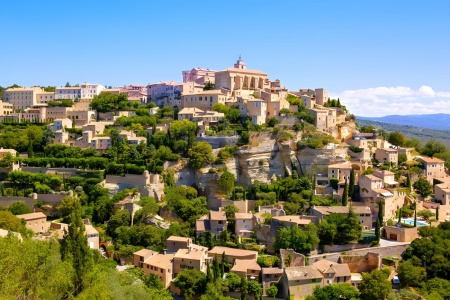
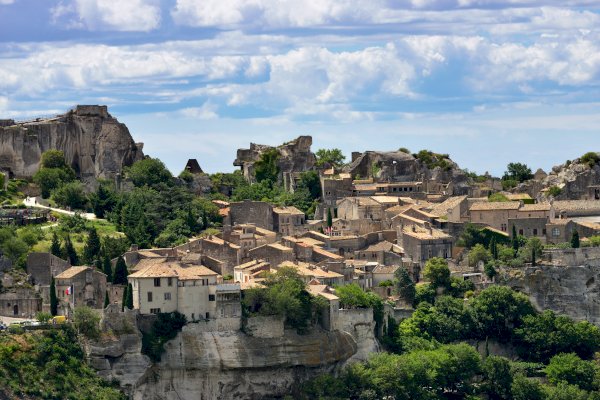
Villages such as those in the Luberon are particularly enjoyable in spring, when walking conditions are ideal and traffic is lighter.

Provence is often highlighted among the most iconic scenic countryside and villages of France, particularly during spring and fall.

Who Spring Is Best For

  • First-time visitors
  • Couples and honeymoon travelers
  • Multi-day itineraries combining villages and countryside

Spring offers the best balance between scenery, comfort, and pace.

Early Summer in Provence (June–Mid July): Lavender & Popularity

This is Provence’s most photographed season—and also its most demanding.

Lavender Season Reality

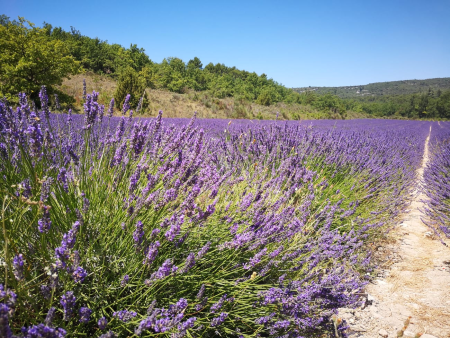
Lavender typically blooms from late June to mid-July, depending on altitude and weather. While visually striking, this period also brings:

  • High visitor numbers
  • Increased road traffic
  • Higher accommodation demand

Lavender is best appreciated as one highlight, not the sole reason for a Provence itinerary.

Best Approach During This Period

  • Early starts
  • Carefully planned routing
  • Combining lavender areas with villages and heritage sites

High Summer in Provence (Late July–August): Heat & Crowds

High summer is the most challenging season for Provence travel.

What to Expect

  • High temperatures, especially inland
  • Heavy traffic between villages
  • Crowded popular sites
  • Reduced midday activity

This period is less suited to village-focused itineraries and requires realistic pacing.

Who Summer Suits Best

  • Travelers accustomed to heat
  • Those prioritizing coastal extensions
  • Short, structured visits rather than full exploration

Fall in Provence (September–October): Light, Color & Calm

Fall is Provence’s most underrated season.

Why Fall Works So Well

  • Warm but comfortable temperatures
  • Harvest season and active markets
  • Golden light and vineyard colors
  • Noticeably fewer crowds

September and October are particularly well suited to multi-day travel, allowing for relaxed village visits and countryside routes.

Winter in Provence (November–March): A Different Rhythm

Winter in Provence is quieter and more local.

What to Know

  • Some attractions operate reduced hours
  • Weather can be cool and windy
  • Villages feel more residential than touristic

While not ideal for first-time visitors, winter can appeal to repeat travelers seeking atmosphere over sightseeing.

Provence by Interest: When to Go

Villages & Countryside

  • Best: April–May, September–October

Markets & Food Culture

  • Best: Spring and fall

Lavender Fields

  • Best: Late June to mid-July (short window)

Multi-Day Itineraries

  • Best: Shoulder seasons for comfort and pacing

How Seasonality Affects Travel Logistics

Provence’s distances and rural roads mean that seasonal traffic and heat matter.

During peak summer:

  • Travel times increase
  • Midday touring becomes less comfortable
  • Flexibility decreases

This is why structured itineraries and realistic daily planning become increasingly important during busy periods.

Our Provence multi-day tours are designed with seasonal conditions in mind, ensuring comfortable pacing throughout the year.

Choosing the Right Season for Your Provence Itinerary

The best time to visit Provence depends on:

  • Travel pace expectations
  • Sensitivity to heat and crowds
  • Interest in specific seasonal highlights
  • Length of stay

Travelers who prioritize villages, markets, and atmosphere consistently prefer spring and fall. Many travelers factor seasonality into their planning when selecting France travel packages, especially for countryside regions like Provence.

Practical Note for Multi-Day Travelers

For guests traveling on multi-day itineraries in Provence, practical travel information such as daily schedules, meeting points, and key details are provided digitally through the Ophorus travel app,

ensuring smooth coordination throughout the journey.


Final Thoughts: Timing Makes the Difference in Provence

Provence offers outstanding experiences across several months of the year—but the quality of the experience depends heavily on timing. Travelers who look beyond peak summer consistently enjoy a more relaxed, authentic, and rewarding visit.

In 2026, spring and fall remain the smartest choices for discovering Provence at its best.

For practical questions about seasonal travel conditions and planning, our France travel FAQ provides clear guidance.
Secured payments

Payments secured by Stripe

Easy cancellation

Free cancellation on most tours

Trusted reviews

Verified traveler reviews only

Secured payments

Book your experience with complete peace of mind. All payments made on Ophorus are securely processed through Stripe, a trusted international payment platform.

Your payment information is encrypted and handled directly by Stripe. Ophorus does not store your credit card details.

You can pay safely using the available payment methods displayed at checkout. Once your payment has been confirmed, you will receive your booking confirmation by email.

Frequently Asked Questions
  • Is it safe to pay on Ophorus?

    Yes. Payments made on Ophorus are securely processed by Stripe. Your payment information is encrypted and transmitted directly through Stripe’s secure payment infrastructure.
  • What is Stripe?

    Stripe is an international payment provider that processes online transactions for businesses around the world. It holds PCI DSS Level 1 certification, the highest certification level in the payment industry.
  • Which payment methods are accepted?

    The payment methods available are displayed during checkout. Their availability may vary depending on your country, currency and device.
  • Why was my payment declined?

    A payment may be declined by your bank for several reasons, including insufficient funds, an incorrect card detail, an expired card or a security restriction. We recommend checking your information or contacting your bank before trying again.
  • What is 3D Secure authentication?

    3D Secure is an additional verification step provided by your bank. You may be asked to confirm your payment through your banking application, a security code or another authentication method.
  • Will I receive confirmation after payment?

    Yes. Once your payment and booking have been successfully confirmed, you will receive a confirmation email containing your booking details.
  • What should I do if I am charged but receive no confirmation?

    Please check your spam folder first. If you still cannot find your booking confirmation, contact the Ophorus team with the name and email address used for the booking. Avoid sending your full card number by email.
Easy cancellation

We understand that travel plans can change. That is why many Ophorus experiences include flexible cancellation conditions, allowing you to cancel your booking free of charge when the request is made before the applicable cancellation deadline.

The exact conditions depend on the type of experience booked, the departure date and any services included. Your cancellation policy is clearly displayed on the experience page and during the booking process, so you can review it before confirming your reservation.

Some tickets, tastings, meals, accommodation or third-party services may be non-refundable. When a cancellation qualifies for a refund, the amount is returned using the original payment method.

For full details, always refer to the cancellation conditions associated with your booking and to the Ophorus Terms of Sale.

Frequently Asked Questions
  • Can I cancel my Ophorus booking?

    Yes. You can request the cancellation of your booking, subject to the conditions and deadline associated with your selected experience.
  • Is cancellation free?

    Many tours can be cancelled free of charge when the request is submitted before the stated cancellation deadline. The applicable conditions are displayed before payment and included with your booking information.
  • How can I check my cancellation deadline?

    The cancellation conditions are shown on the experience page and during checkout. They may also appear in your booking confirmation. Conditions can vary between shared tours, private tours, packages and special activities.
  • Will I receive a full refund?

    You will receive a full refund when your cancellation meets the conditions of the applicable cancellation policy. Late cancellations, no-shows and certain non-refundable services may not qualify for a full refund.
Trusted reviews

At Ophorus, reviews help future travellers choose their experience with confidence. The feedback displayed on our website comes from customers who have booked or participated in our tours.

Reviews are collected after the experience, allowing travellers to share their honest opinion about the guide, itinerary, organisation, transportation and overall quality of the tour.

We value transparency and do not edit reviews to change their meaning. Positive and critical feedback both help us maintain high standards, improve our services and provide clear, useful information to future guests.

Our reviews may also be collected and displayed through trusted independent platforms such as Tripadvisor or other recognised travel review services.

Frequently Asked Questions
  • Are Ophorus reviews genuine?

    Yes. Reviews are submitted by travellers who have booked or participated in an Ophorus experience, or collected through recognised independent review platforms.
  • What is a verified traveller review?

    A verified traveller review is feedback linked to a genuine booking or participation in an experience. This helps ensure that the review is based on a real customer experience.
  • Are negative reviews published?

    Yes. Constructive negative feedback may be published alongside positive reviews, provided it follows the applicable moderation rules and relates to a genuine experience.
  • How does Ophorus use customer feedback?

    Feedback is reviewed by the Ophorus team to improve tour content, guide performance, logistics, customer service and the overall booking experience.
  • Can Ophorus remove a review?

    A review may be removed when it contains spam, offensive content, false information, personal data or comments unrelated to the booked experience. Genuine criticism is not removed simply because it is negative.