loading Ophorus Please wait
USE PROMO CODE SUMMERVIBE26 AND RECEIVE 10% DISCOUNT ON A SELECTION OF TOURS
Ophorus app available
logo Ophorus Tours Your order is being processed, please wait loading Ophorus
France Key Historical Events

10 facts you probably didn't know about the Normandy D-Day landings

Ophorus Blog - 10 facts you probably didn't know about the Normandy D-Day landings
D-Day was the largest invasion by air & sea in military history. Operation "Overlord" involved more than 150 000 troops, 6 900 ships and landing vessels, 2 400 aircraft and 867 gliders. Here are some facts that you probably did not know about D-Day

10 UNUSUAL FACTS ABOUT THE NORMANDY D-DAY LANDING 

6th of June, 1944
On this day, the West of France saw a perfectly organized landing, a truly technical, economical and human feat…even though it didn’t really happen as planned: dangerous German defenses, important human loss at the beginning leading to a complete disarray and a delaying the troops’ progress on the ground…

Here for you, are some points that you might not know about this landing.

1-    A tricky choice

On a strategic point of view, the landing was supposed to happen in Calais, an important port city of the North of France. It was close to the English shores and offered the shortest way to Germany. The Nazis forces knew that very well, and had reinforced their defenses there.

The Allies had to find a place where the defenses were weaker. Situated at less than 240km (150 mi) from the British airports (the planes had a limited autonomy)and having large and deep beaches (for human and equipment landing), the winner was: Normandy!!
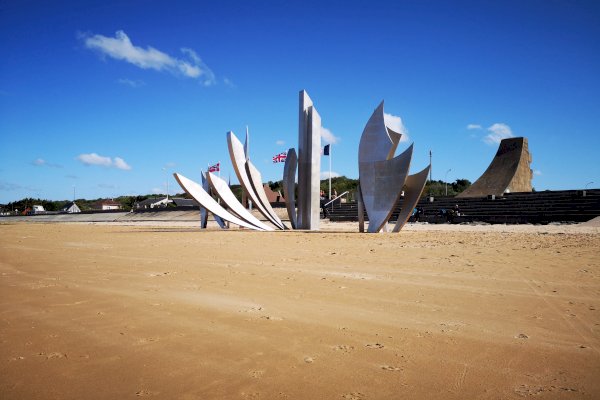
Normandy D-Day Landing Beaches - Utah


2-    Damned weather

If you are a meteorologist, you would have been a very useful person during D-Day preparation! The landing was originally planned for spring of 1944, but was postponed several times because of the very bad weather conditions (is the weather that bad in Normandy??). Also, the ideal conditions were very specific: a rising tides that doesn’t hide the obstacles on the beaches, and a late full moon. The paratroopers needed to be in the dark whereas the bombers needed a bit of light to see their targets. Those conditions are present only few days per month, in June it was between the 5th and the 7th. Because of a storm in the Channel, the 6th was chosen as D-Day.
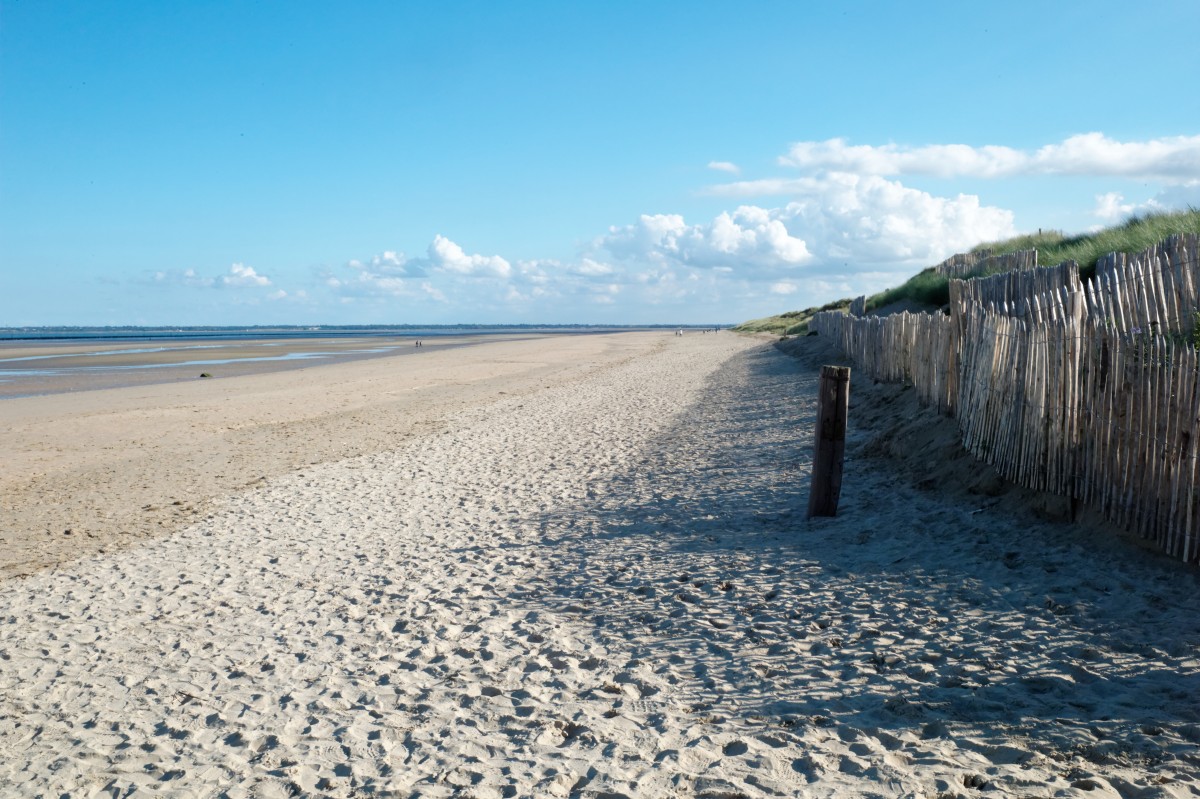
Normandy D-Day Landing beaches - Juno Beach


3-    Go like clockwork…

The kick-off was given at midnight between 5th and 6th of June. The airborne troops (paratroopers and gliders) were the first to land on the Normand ground. Their goal was essentially to take control of the main roads in order to make the Allie troops progress easier. Later in the night, at around 5H30, the Air Force would drop some bombs in order to destroy the German defenses. Then, at sunrise, starting at 6H30, the first barges would land the amphibian tanks and the Infantry on the beaches. From then troops progress would be timed.
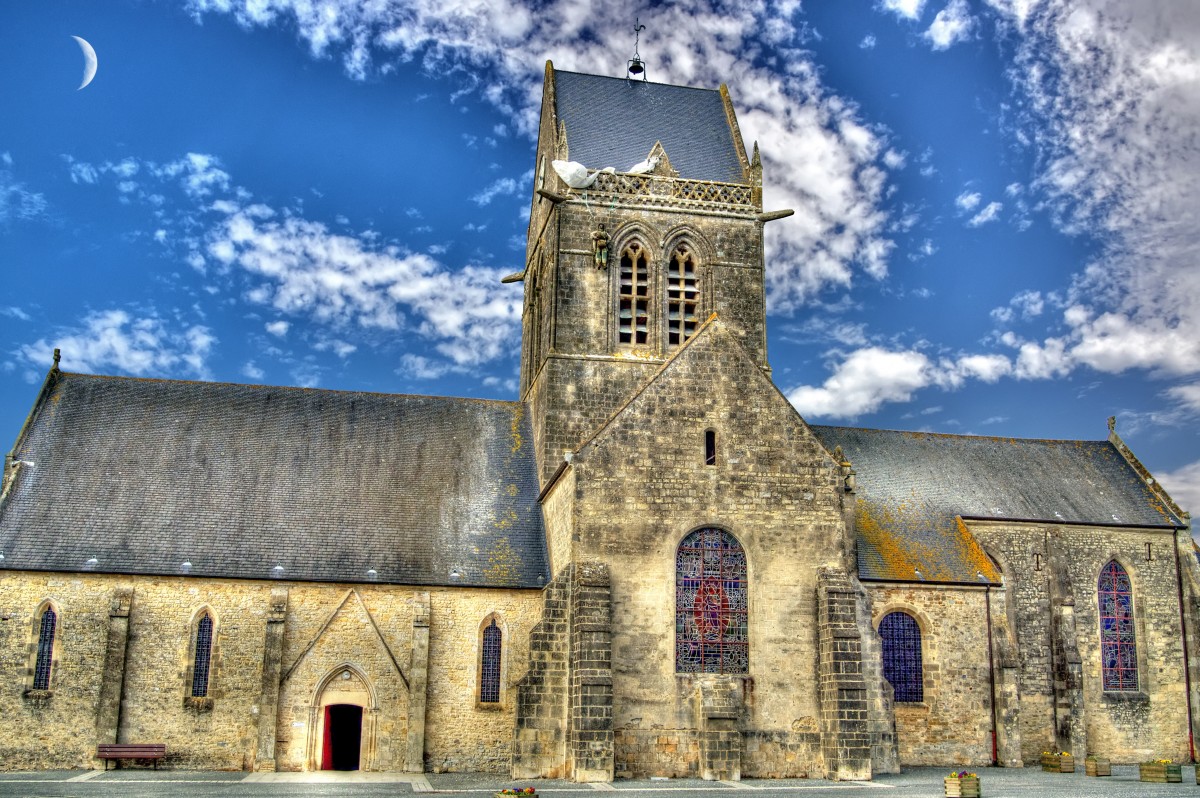
Sainte Mère Eglise Church - Homage to American Paratrooper John Marvin Steele


4-    …but with some unforeseen events

In the air, the Air Force was put in a difficult position by a thick fog, remaining inland. That’s why the bombers  missed a lot of their targets. Many paratroopers finished their flight in the hinterland transformed into a swamp by the Nazis, trapped by the heavy weight of their equipment (70kg!).

At sea, the storm was not over at sunrise, creating a strong swell. Many soldiers were seasick; the pills they took were not effective. On the ground, on the Omaha Beach sector, the German Division was not the one that was expected: it was replaced by the infamous 352nd Infantry Division, which was back from the Russian front. The French Resistance sent a message to London by homing pigeon, but it was too late to take this new information into account.
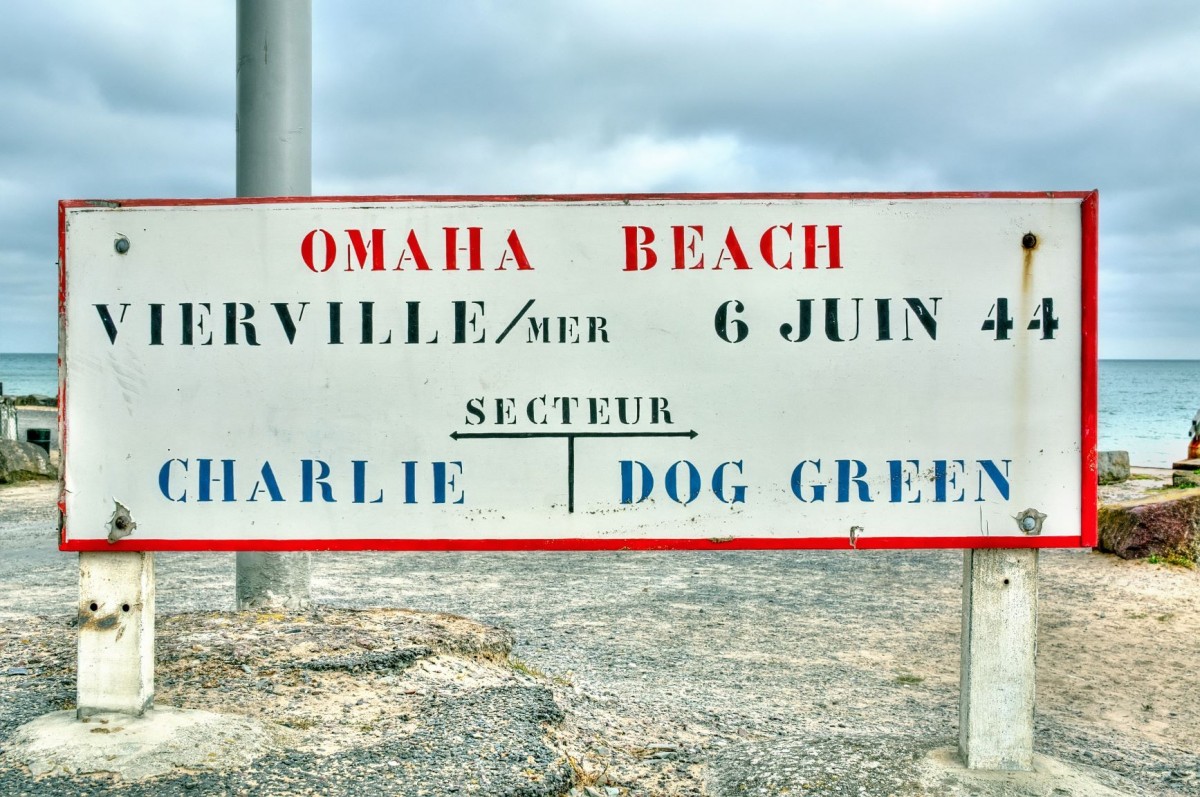
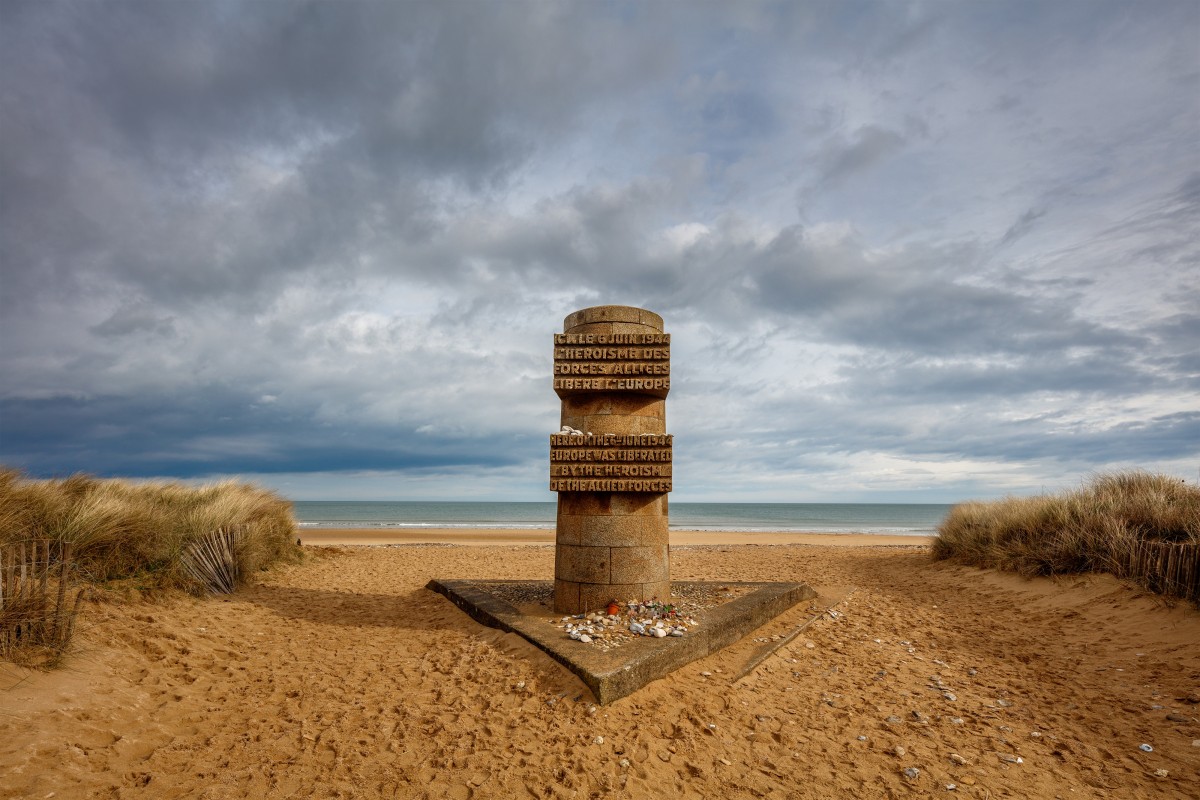
Normandy D-Day Landing Beaches - Omaha Beach

5-    “The long sobs of autumn violins…”
“…wound my heart with a monotonous languor”

Those famous verses of the French poet Paul Verlaine are known as the general message from London Radio announcing the Allies landing. However, it was just one message among many others. The first verse, broadcast on June 1st, 1944, was meant to warn the different Resistance organizations: “The hour of combat will come”. Those warnings were followed by call of actions: 210 messages broadcast during 16 minutes  June 5th, 1944, ordering the railways and the telephone cables to be sabotaged, or to set ambushes against German reinforcements.
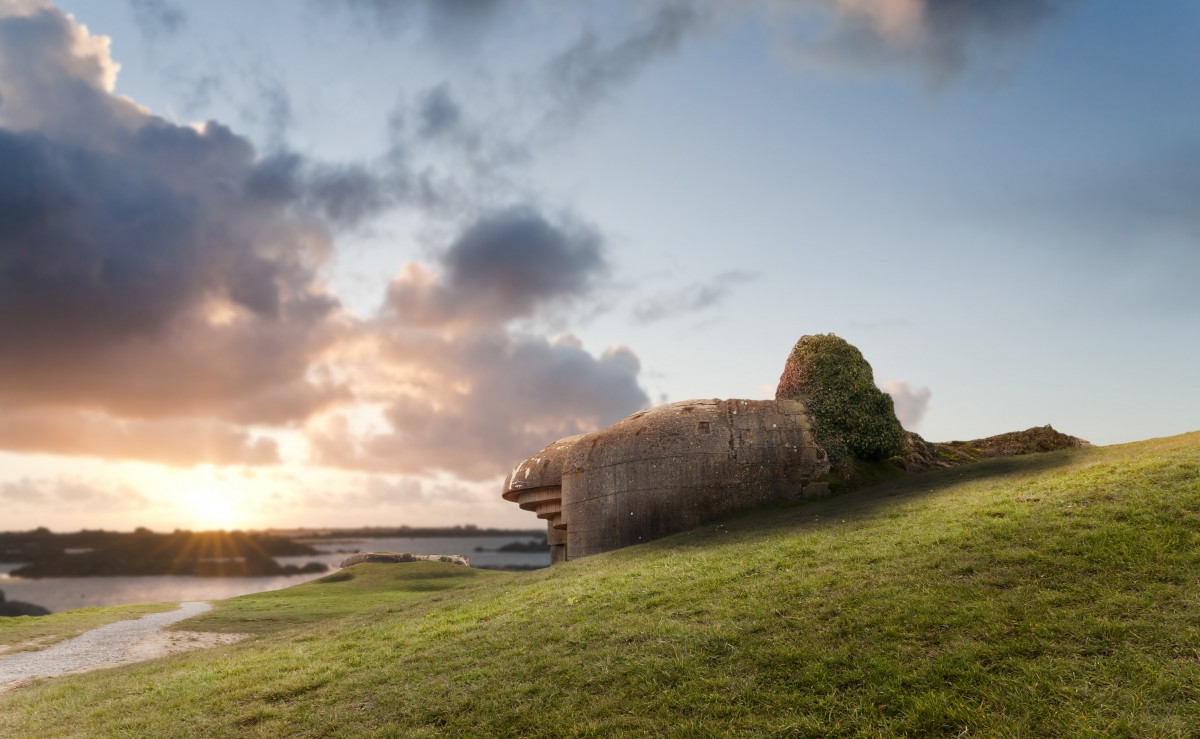
Normandy D-Day Landing Beaches - Gold Beach

6-    Code names

Omaha Beach, Gold Beach, Utah Beach, Juno Beach, Sword Beach, are some names that sound very familiar to us. But… Why do we use those English words? Even if Normandy was under English domination for a while, it became a French region ages ago!The answer is quite easy: as it is common for every military operation, the Allies chose those code names in order to name the different intervention areas that were defined.

Canadians would land alone on Juno Beach, and with the British on Sword Beach; the British would land on Gold Beach; and the Americans would be alone on Utah and Omaha Beach. The landing operations also had code names: Neptune for the coastline assault, Fortitude for the disinformation operation, since Overlord is used for the general D-Day operation.
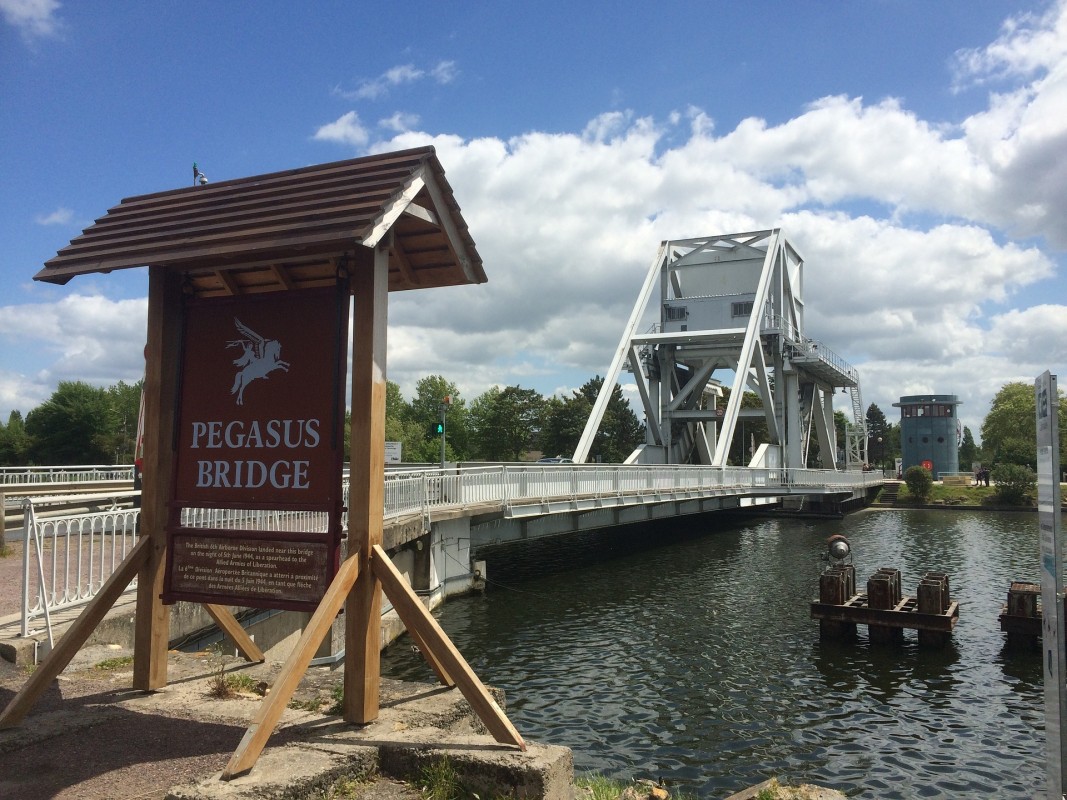
Normandy D-Day Landing Beaches - Sword Beach Pegasus Bridge

7-    An infallible defense

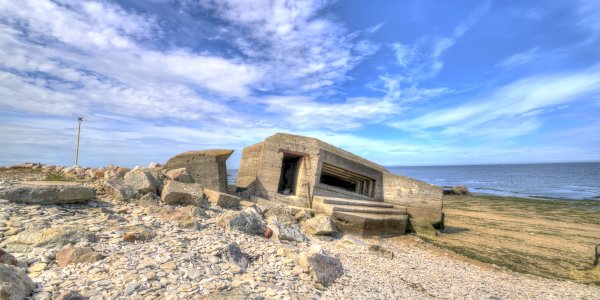
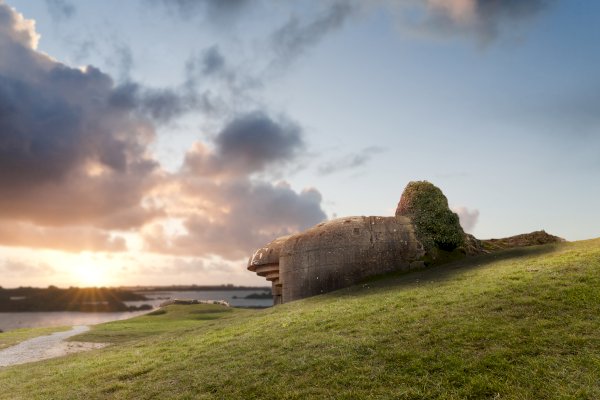
Hitler is sure of one thing: his Atlantic Wall is unbreachable. He knew that a second front on the west side by the Allies was a real threat, that’s why he put General Rommel in charge of protecting the French coasts. Erwin Rommel set up an “Atlantic Wall” composed of bunkers, mines, artillery batteries and stakes situated on the beaches, to protect against ships. They were informally nicknamed “the Rommel’s asparaguses”. 

These defenses stretched from the North Cape in Norway to the border between France and Spain, in order to stop any attempt at landing. Despite Hitler’s best planning, his Wall was far from being perfect. In fact, it looked more like a pearl necklace: some areas were overprotected, like the Nord-Pas-de-Calais coasts and the main ports, whereas some other places were more vulnerable. Therefore, in 1944, the Normandy beaches were covered by mines, barbwires and various obstacles.
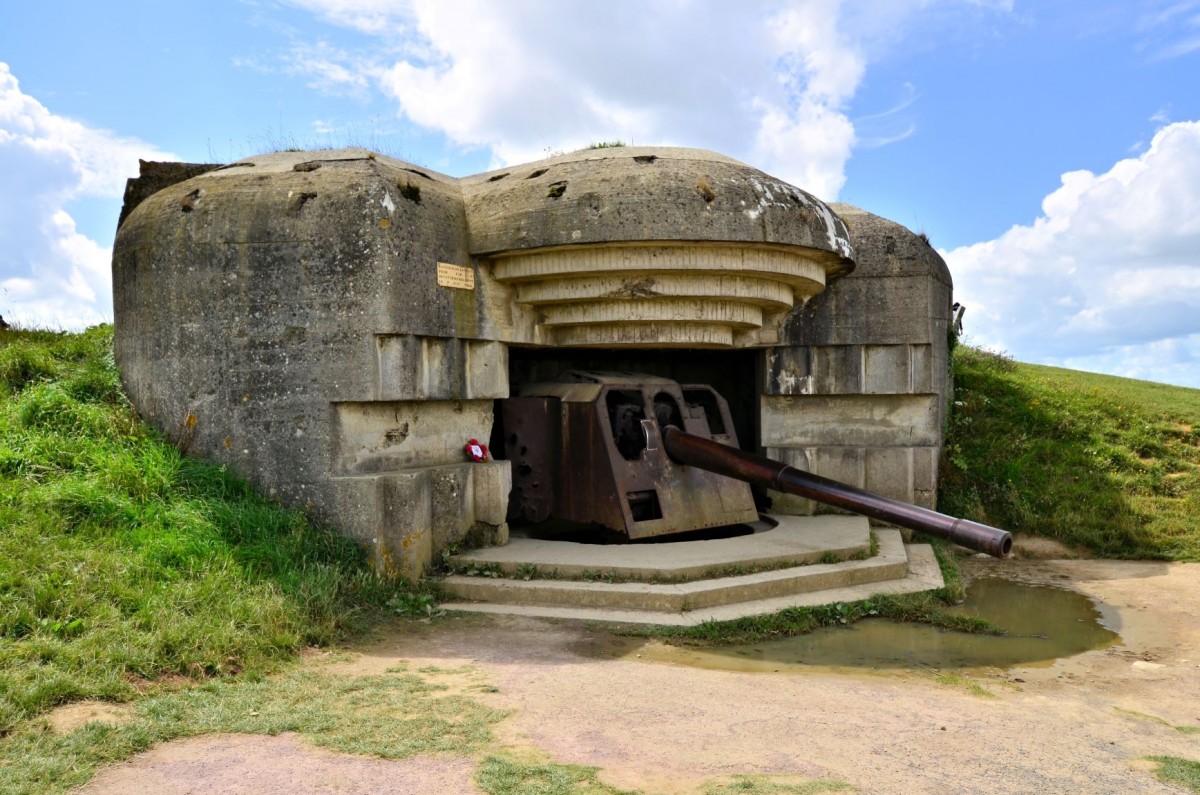
Normandy D-Day Landing Beaches - Longues sur Mer Battery

8-    A diversion

After the night’s bombings, the German Forces could regroup and anticipate the Allies arrival. But that was still a surprise. The Resistance members had dynamited the telephone cables preventing the German communications. This meant that the forces in the Nord-Pas-de-Calais knew that a landing happened in the morning only the afternoon.

The German command had a slow reaction, they believed it was a diversion: to them the real landing could only happen in Calais. Hitler was woken up only at 10 am (!!): he was the only one who could order to send reinforcements. Thanks to that misunderstanding, the Allies faced only 17 Nazi divisions, over the 50 available, meaning 50 000 soldiers instead of 300 000 … Not so bad!
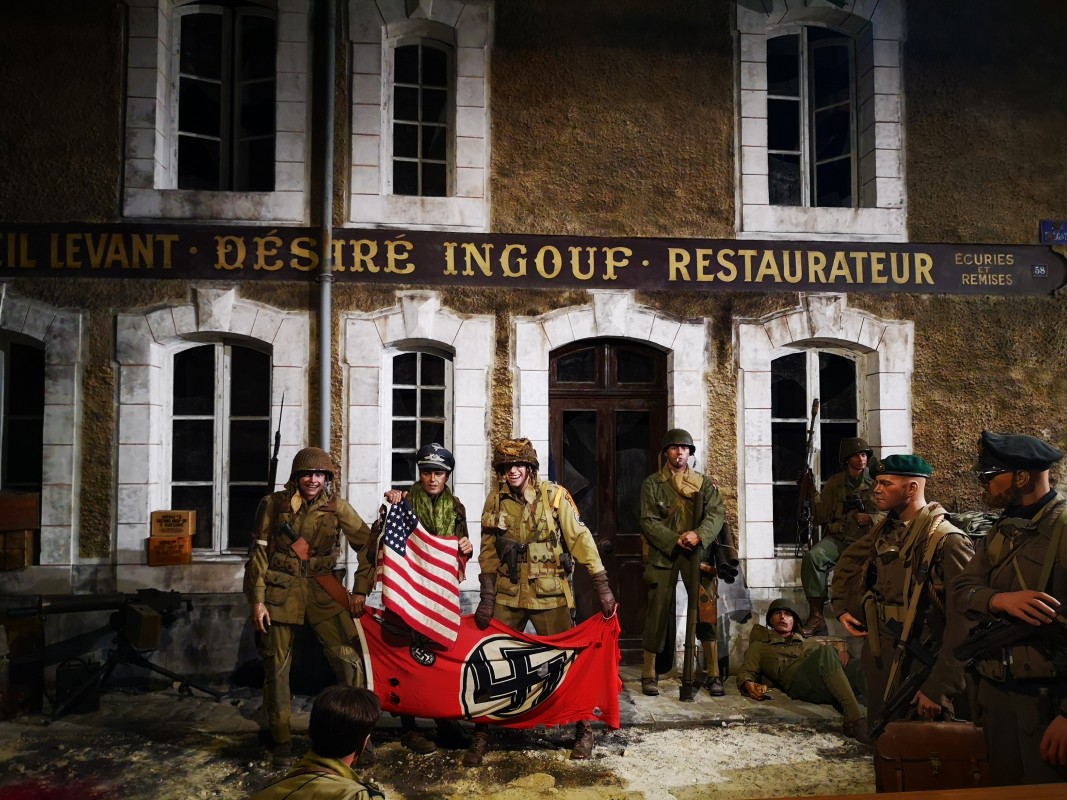
Normandy D-Day - Carentan Dead Man's Corner

9-    Blinded

But…wait a minute; Why did the German Forces not see anything coming, even though the radar performance was so improved during the war that they were able to detect a plane or a ship 37 Milles (60km) away?! It was because most of the radar stations were damaged or destroyed. Remaining radars were blinded by scramblers (aluminum strips sent in the air to create interferences). Clever!
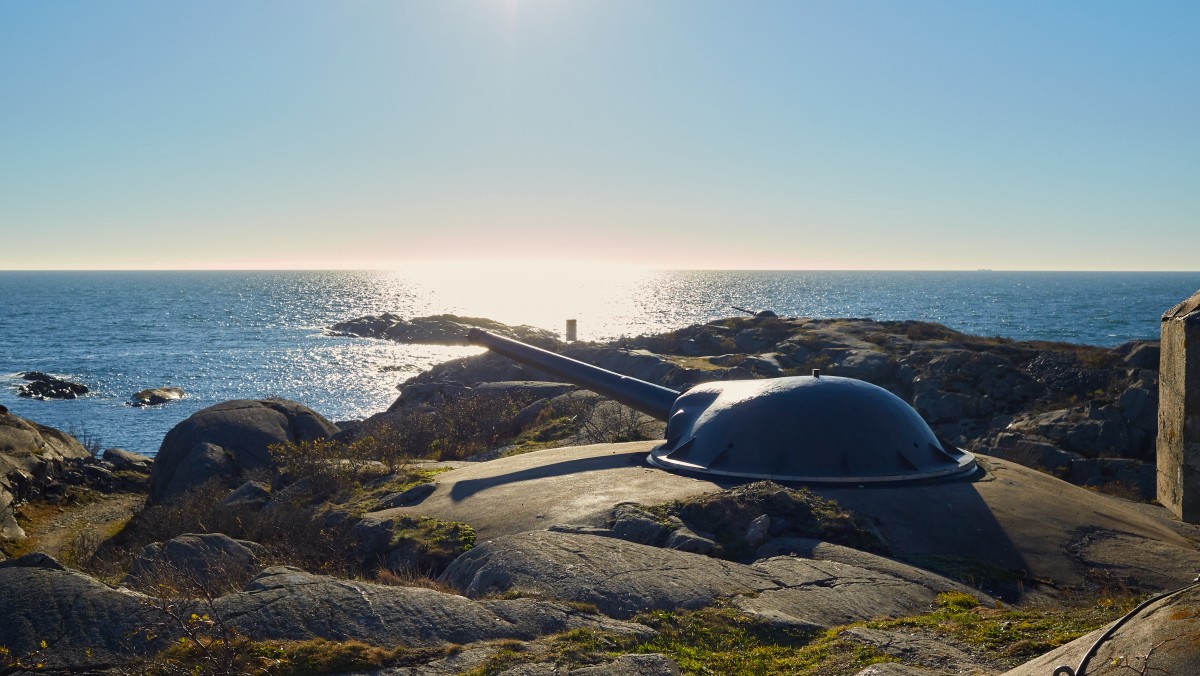
Normandy D-Day Landing - Atlantic Wall defences

10-    Remembrance

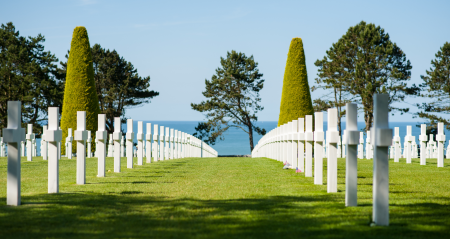
On the American Cemetery site based in Colleville sur Mer, near Omaha Beach, is a capsule embedded in the ground. Inside are some press articles published at that time, and a message written by the General Eisenhower to the future generations. It’s meant to be opened on June 6th, 2044, a hundred years after D-Day.
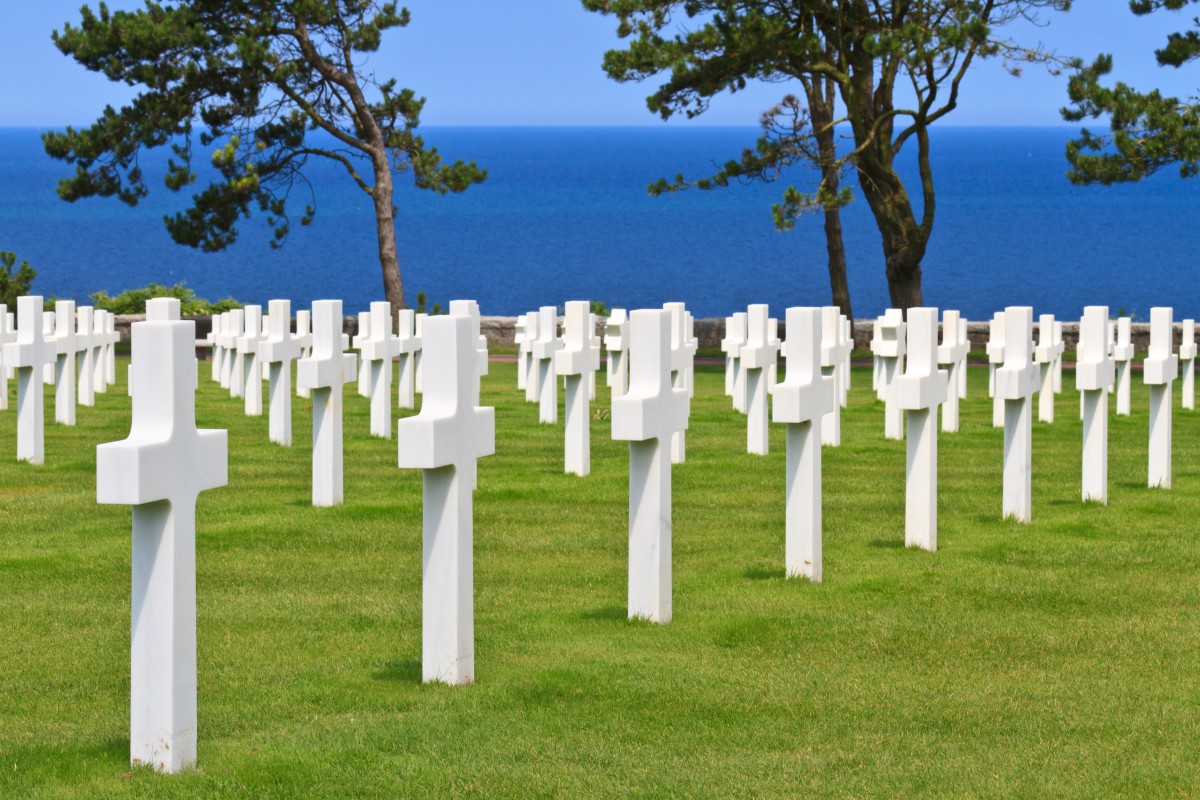
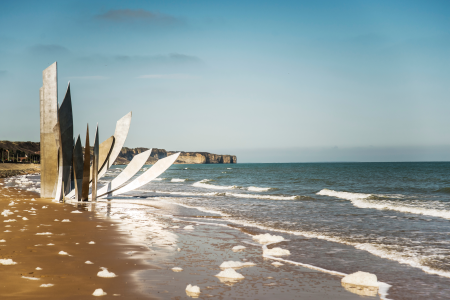
Normandy D-Day Landing Beaches - American Cemetery in Colleville sur Mer

Secured payments

Payments secured by Stripe

Easy cancellation

Free cancellation on most tours

Trusted reviews

Verified traveler reviews only

Secured payments

Book your experience with complete peace of mind. All payments made on Ophorus are securely processed through Stripe, a trusted international payment platform.

Your payment information is encrypted and handled directly by Stripe. Ophorus does not store your credit card details.

You can pay safely using the available payment methods displayed at checkout. Once your payment has been confirmed, you will receive your booking confirmation by email.

Frequently Asked Questions
  • Is it safe to pay on Ophorus?

    Yes. Payments made on Ophorus are securely processed by Stripe. Your payment information is encrypted and transmitted directly through Stripe’s secure payment infrastructure.
  • What is Stripe?

    Stripe is an international payment provider that processes online transactions for businesses around the world. It holds PCI DSS Level 1 certification, the highest certification level in the payment industry.
  • Which payment methods are accepted?

    The payment methods available are displayed during checkout. Their availability may vary depending on your country, currency and device.
  • Why was my payment declined?

    A payment may be declined by your bank for several reasons, including insufficient funds, an incorrect card detail, an expired card or a security restriction. We recommend checking your information or contacting your bank before trying again.
  • What is 3D Secure authentication?

    3D Secure is an additional verification step provided by your bank. You may be asked to confirm your payment through your banking application, a security code or another authentication method.
  • Will I receive confirmation after payment?

    Yes. Once your payment and booking have been successfully confirmed, you will receive a confirmation email containing your booking details.
  • What should I do if I am charged but receive no confirmation?

    Please check your spam folder first. If you still cannot find your booking confirmation, contact the Ophorus team with the name and email address used for the booking. Avoid sending your full card number by email.
Easy cancellation

We understand that travel plans can change. That is why many Ophorus experiences include flexible cancellation conditions, allowing you to cancel your booking free of charge when the request is made before the applicable cancellation deadline.

The exact conditions depend on the type of experience booked, the departure date and any services included. Your cancellation policy is clearly displayed on the experience page and during the booking process, so you can review it before confirming your reservation.

Some tickets, tastings, meals, accommodation or third-party services may be non-refundable. When a cancellation qualifies for a refund, the amount is returned using the original payment method.

For full details, always refer to the cancellation conditions associated with your booking and to the Ophorus Terms of Sale.

Frequently Asked Questions
  • Can I cancel my Ophorus booking?

    Yes. You can request the cancellation of your booking, subject to the conditions and deadline associated with your selected experience.
  • Is cancellation free?

    Many tours can be cancelled free of charge when the request is submitted before the stated cancellation deadline. The applicable conditions are displayed before payment and included with your booking information.
  • How can I check my cancellation deadline?

    The cancellation conditions are shown on the experience page and during checkout. They may also appear in your booking confirmation. Conditions can vary between shared tours, private tours, packages and special activities.
  • Will I receive a full refund?

    You will receive a full refund when your cancellation meets the conditions of the applicable cancellation policy. Late cancellations, no-shows and certain non-refundable services may not qualify for a full refund.
Trusted reviews

At Ophorus, reviews help future travellers choose their experience with confidence. The feedback displayed on our website comes from customers who have booked or participated in our tours.

Reviews are collected after the experience, allowing travellers to share their honest opinion about the guide, itinerary, organisation, transportation and overall quality of the tour.

We value transparency and do not edit reviews to change their meaning. Positive and critical feedback both help us maintain high standards, improve our services and provide clear, useful information to future guests.

Our reviews may also be collected and displayed through trusted independent platforms such as Tripadvisor or other recognised travel review services.

Frequently Asked Questions
  • Are Ophorus reviews genuine?

    Yes. Reviews are submitted by travellers who have booked or participated in an Ophorus experience, or collected through recognised independent review platforms.
  • What is a verified traveller review?

    A verified traveller review is feedback linked to a genuine booking or participation in an experience. This helps ensure that the review is based on a real customer experience.
  • Are negative reviews published?

    Yes. Constructive negative feedback may be published alongside positive reviews, provided it follows the applicable moderation rules and relates to a genuine experience.
  • How does Ophorus use customer feedback?

    Feedback is reviewed by the Ophorus team to improve tour content, guide performance, logistics, customer service and the overall booking experience.
  • Can Ophorus remove a review?

    A review may be removed when it contains spam, offensive content, false information, personal data or comments unrelated to the booked experience. Genuine criticism is not removed simply because it is negative.