A practical guide to planning group tours in France. Learn timelines, costs, routing, and how a local DMC simplifies logistics and coordination.
How to Plan a Group Trip to France: Timeline, Budget & Logistics Guide
Planning group travel in France can be incredibly rewarding—but it also involves far more coordination than most organizers expect. Once your group grows beyond 10 guests, questions of transport, hotel availability, timing between regions, restaurant capacity, and on-site support quickly become complex.
This practical guide walks you through the key steps to successfully plan a group trip to France for 10–25 guests, covering realistic timelines, budgeting considerations, and logistical decisions that make the difference between a smooth journey and a stressful one.
If you are evaluating professional support, you may also wish to review our overview of private group travel in France, which explains how a local Destination Management Company (DMC) can coordinate these elements for you.
Start Early: Recommended Planning Timeline
France is one of the most visited countries in the world, and availability for groups can fill quickly—especially during peak seasons from April to October.
As a general rule:
- 9–12 months ahead: Ideal for multi-region trips, incentives, or special venues
- 6–9 months ahead: Comfortable planning window for most group programs
- 3–6 months ahead: Possible, but with limited hotel and restaurant choice
Starting early gives you better pricing, better hotels, and more flexibility with guides, coaches, and exclusive experiences.
Define Your Group Profile First
Before choosing destinations or activities, clarify who your travelers are. The right itinerary depends less on “what is famous” and more on how your group prefers to travel.
Consider:
- Age range and mobility
- Interests (wine, history, food, culture, nature)
- Preferred pace (relaxed vs. full days)
- Budget expectations
- Level of independence vs. guided visits
A well-designed program balances highlights with downtime. Trying to “see everything” often leads to fatigue and rushed experiences.
Choose Regions Strategically, Not Just Famous Names
France looks compact on a map, but travel times between regions are often longer than expected. A successful group itinerary prioritizes realistic routing and minimizes unnecessary hotel changes.
For example:
- Provence works well as a single base with short day trips
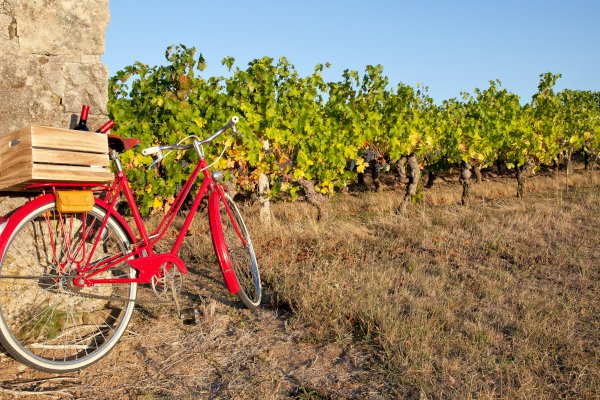
- Bordeaux combines city, wine regions, and countryside easily
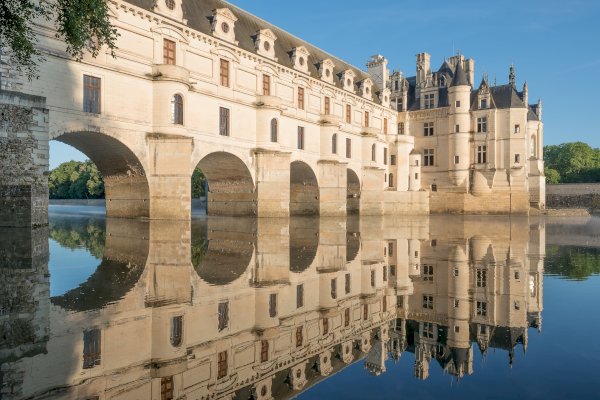
- Loire Valley offers compact château touring
- Normandy requires careful driving-time planning
Trying to combine too many distant regions in one short trip often reduces time on site and increases time on the road.
Transport: Coaches, Trains, or Private Vehicles?
Transport choices significantly affect both comfort and budget.
Private Coaches or Minibuses
The most common solution for groups of 10–25 guests. They provide flexibility, luggage handling, and direct access to rural or winery locations.
High-Speed Trains (TGV)
Excellent between major cities, but less practical when combined with luggage or multiple daily stops.
Mixed Solutions
Some programs combine trains for long distances and private vehicles locally.
Most groups prefer private coaches for simplicity and time efficiency.
Hotels & Restaurants: Capacity Matters
Many charming boutique hotels and restaurants in France simply cannot accommodate larger groups. Availability becomes even tighter in historic city centers and wine regions.
For smoother operations:
- Book hotels with adequate room blocks and coach access
- Confirm restaurants that can seat the group together
- Plan group menus in advance
- Allow realistic meal durations (French dining is rarely fast)
Small operational details like these have a big impact on daily timing.
Budget Expectations for Group Travel in France
Costs vary by season, region, and service level, but group organizers should plan for:
- Accommodation
- Transport and drivers
- Guides and activities
- Meals and tastings
- Event or gala evenings (if applicable)
- Coordination and management fees
France is not typically a “budget destination,” but thoughtful routing and local partnerships help keep programs efficient without sacrificing quality.
Common Mistakes First-Time Organizers Make
After years coordinating programs across France, we often see the same challenges repeated:
- Underestimating travel times between regions
- Booking too many hotel changes
- Planning overly packed days
- Choosing venues that cannot handle group sizes
- Trying to manage multiple suppliers independently
These issues usually lead to stress for both organizers and guests. Simplicity and professional coordination make a noticeable difference.
Why Work with a France-Based DMC?
Once a program involves several regions, hotels, transport providers, and guides, coordination becomes a full-time job. Many organizers prefer to work with a local Destination Management Company (DMC) to centralize planning and reduce risk.
A France-based DMC provides:
- One single point of contact
- Vetted suppliers nationwide
- Negotiated group rates
- Realistic routing and scheduling
- Local troubleshooting and on-site support
- One consolidated contract and invoice
Instead of juggling logistics, you focus on your guests and the overall experience.
Learn more about our dedicated Group Travel Services in France and how we support organizers from concept to execution.
Final Thoughts: Plan Smart, Travel Smoothly
A well-planned group trip to France should feel effortless once it begins. That smoothness comes from early preparation, realistic expectations, and strong local coordination.
With the right planning structure—and the right partners—group travel in France becomes not just manageable, but memorable.
If you are starting to design a program for 10–25 guests, our team would be happy to help you build a custom proposal tailored to your dates, regions, and goals.
Contact our France-based Groups Team to start planning your itinerary
 Please wait