loading Ophorus Please wait
USE PROMO CODE SPRINGVIBES26 AND RECEIVE 10% DISCOUNT ON A SELECTION OF TOURS
Ophorus app available
logo Ophorus Tours Your order is being processed, please wait loading Ophorus
Popular Destinations in France

Hidden Loire Valley: Secret Spots Locals Love

Slip beyond the blockbuster châteaux into quiet riverside villages, family‑run vineyards and story‑filled lanes where daily life still sets the rhythm, and discover a more intimate side of the Loire Valley that locals cherish.


While tour buses crowd the grand châteaux of the Loire Valley, the region's true magic lies in forgotten villages, family-run wineries, and riverside corners that most visitors never discover. These are the places where locals linger—authentic, unhurried, and deeply rewarding.

If you are just starting to plan your stay, our Loire Valley travel guide: châteaux, vineyards & villages will help you decide where to base yourself and how long to stay.

01

Underground Wine Culture: Beyond the Famous Appellations

Underground Wine Culture: Beyond the Famous Appellations
Change image

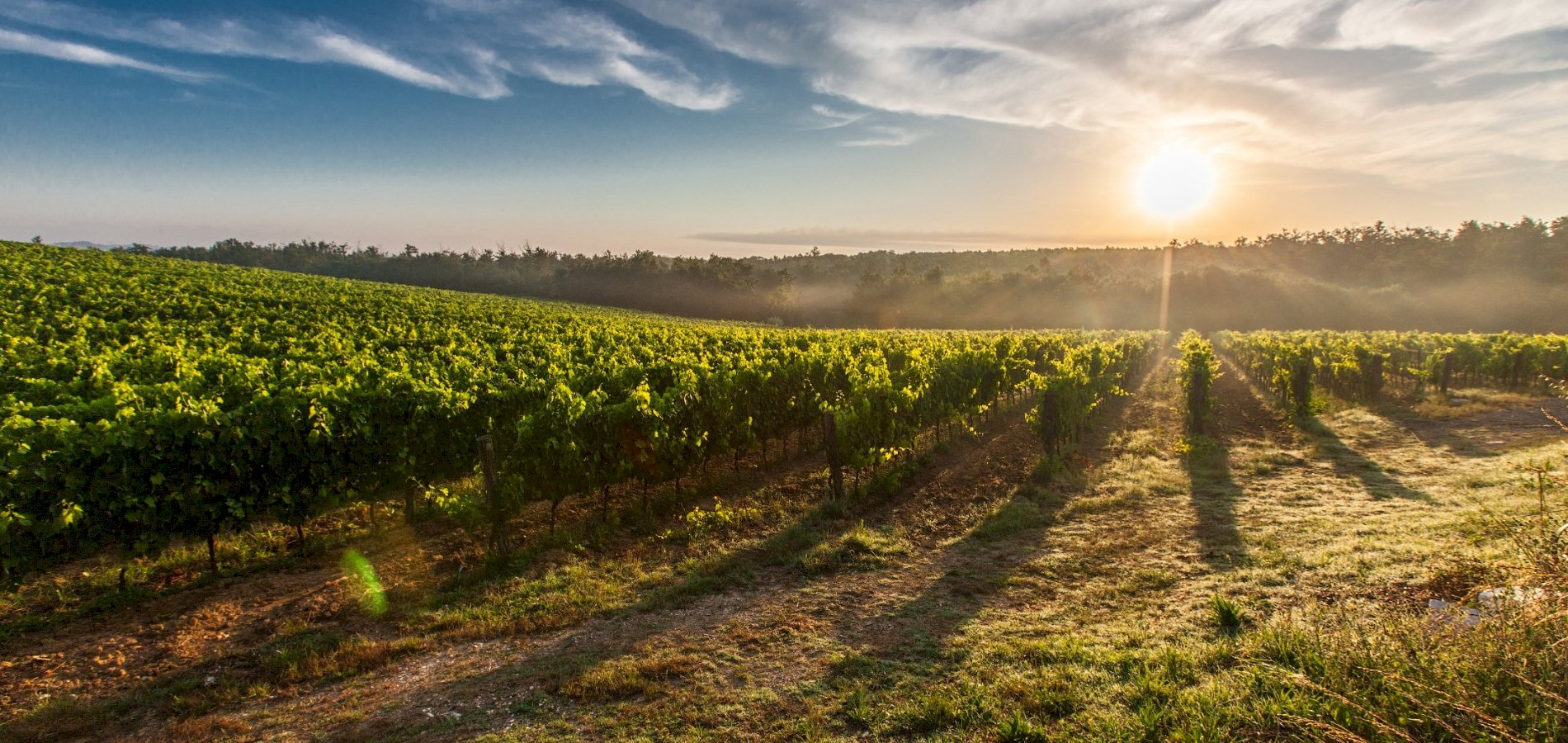
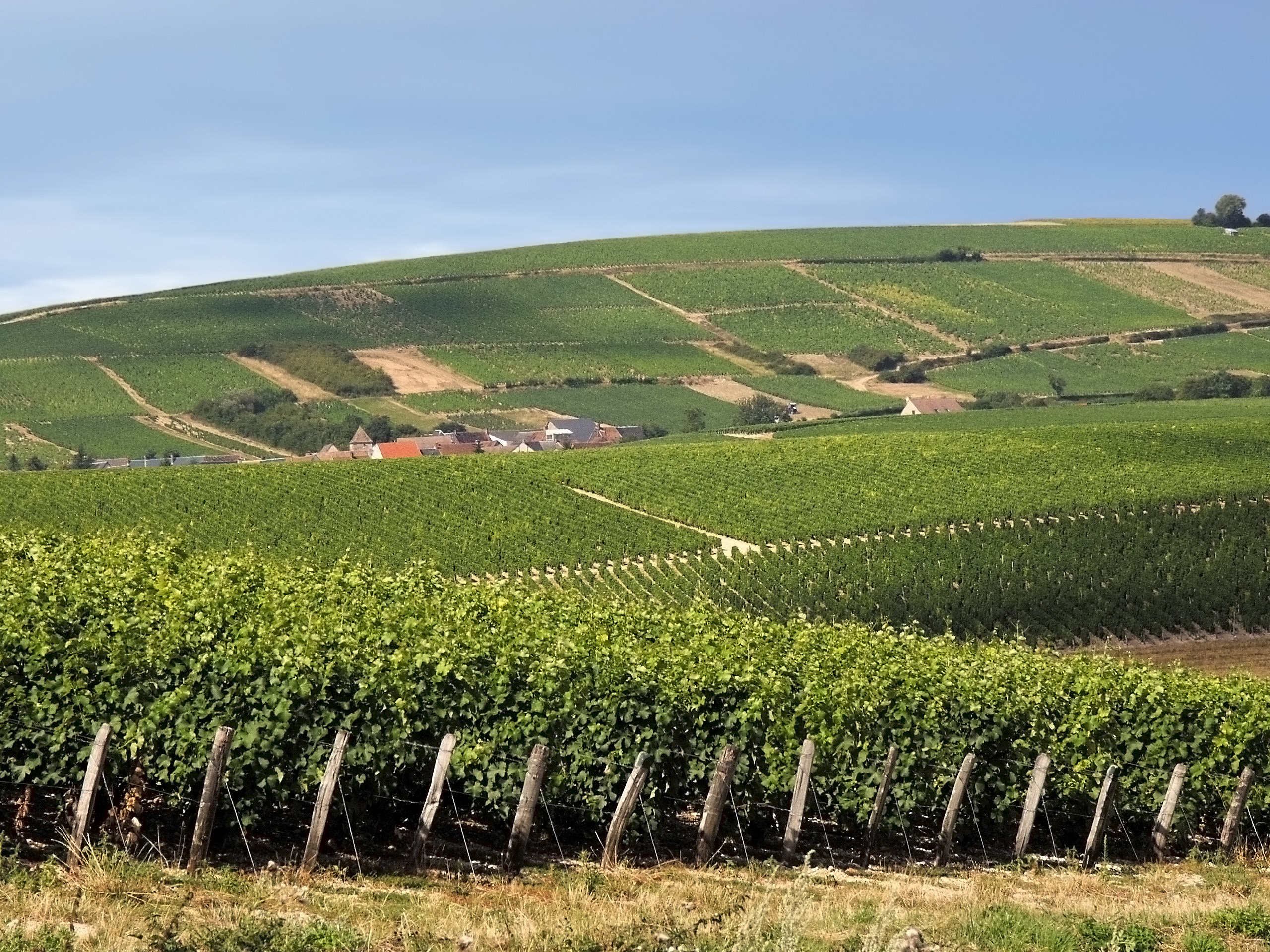
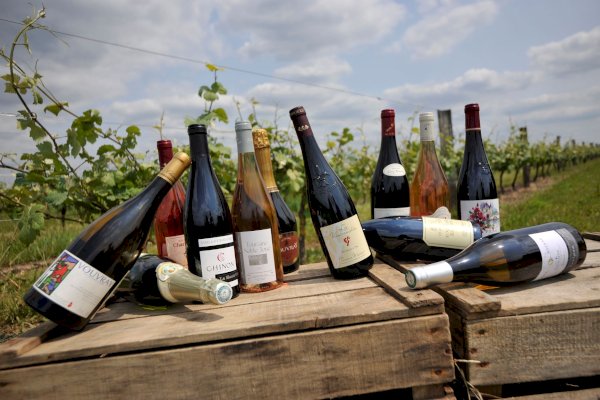
The Loire Valley's reputation rests on its blockbuster wines, but the region's best-kept secret is its network of micro-producers and cave cooperatives hidden in villages like Vouvray, Montlouis, and Faye d'Anjou. These aren't the polished estates you'll find on mainstream tours—they're multigenerational family operations where you'll taste directly from wooden casks and chat with winemakers in their shirt sleeves.

The Vouvray region, nestled along the Loire River, produces exceptional white wines from Chenin Blanc grapes, yet remains refreshingly tourist-free compared to Bordeaux or Burgundy. Visit the cave coopérative in Vouvray village proper, not the highway tourist center—you'll find locals buying wine by the case, and the staff actually has time to educate you. Many of these small producers offer direct cellar tastings for €5-10 per person, a fraction of what you'd pay at established wineries.

The real secret? Arrive on Thursday or Friday mornings when locals do their shopping, and you'll discover which producers are truly beloved. These caves often close between noon and 2pm for genuine French lunch breaks—respect this rhythm, and you'll find a side of the Loire Valley that feels timeless.

Loire Valley Wine Tour Full Day from Tours - Small Group

$155

Book Now →
02

Medieval Villages Where Time Stands Still

Change image


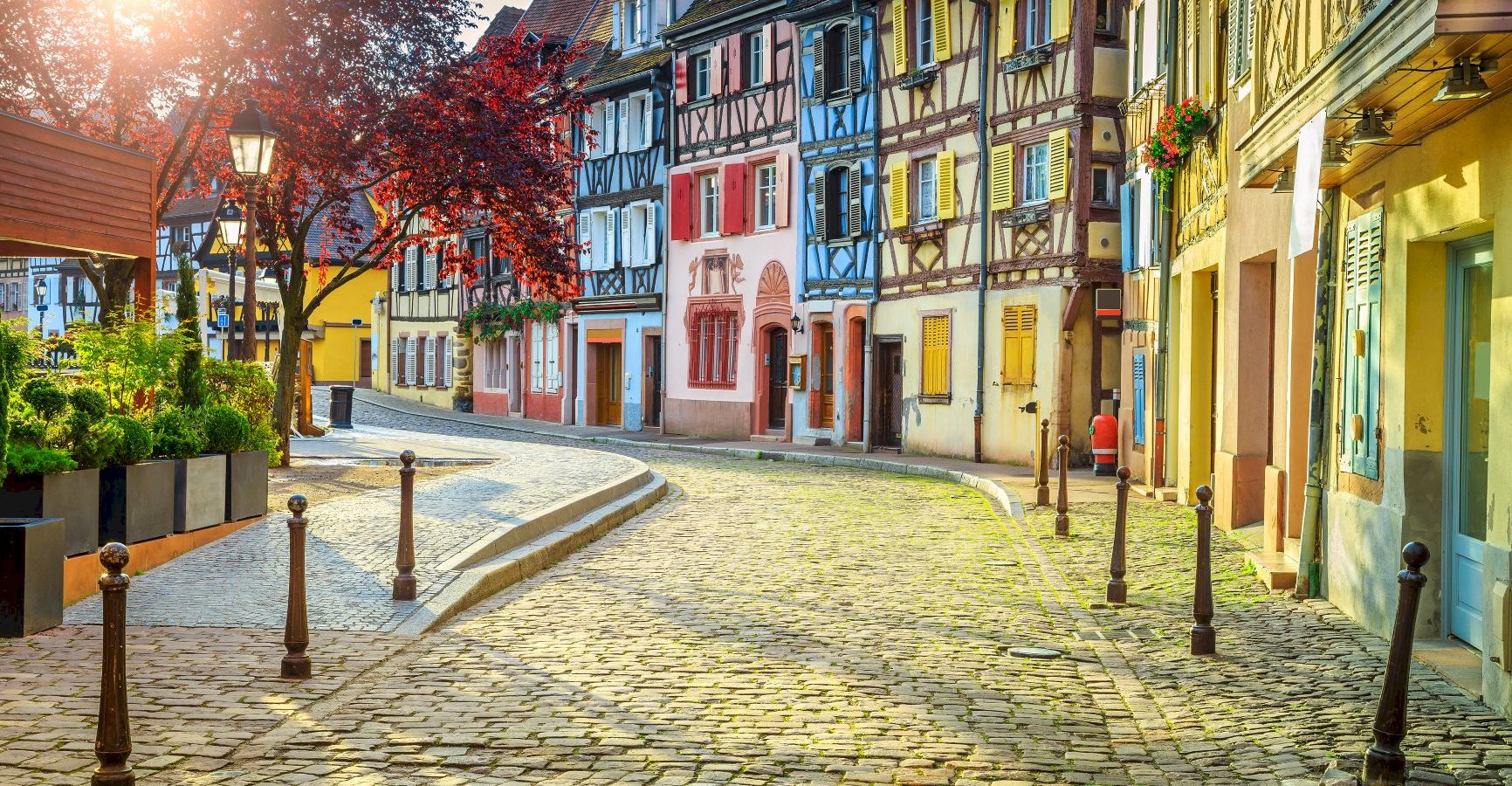
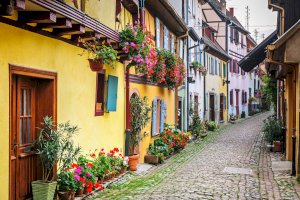
Forget the reconstructed medievalism of famous Loire villages—the real time-capsules are places like Montrésor, Montsoreau, and Crissay-sur-Manse, where you'll encounter working farms, multi-generational residents, and architecture that hasn't been sanitized for Instagram.

Montrésor, perched above the Indrois River, feels like stepping into a 15th-century illuminated manuscript: narrow lanes barely wide enough for a single car, castle ruins looming above, and a 11th-century church that still hosts the village's handful of locals for Sunday services. The real magic is wandering into the courtyards and alleyways where residents hang laundry, tend medieval gardens, and actually live their lives without a single souvenir shop in sight.

Crissay-sur-Manse is equally breathtaking—a formal Renaissance village built by a single noble family, with perfectly preserved slate-roofed houses and a trout mill still producing flour. Unlike the polished villages on mainstream itineraries, these places feel genuinely inhabited and untouched.

Visit mid-week in autumn or winter when you'll have the winding streets almost entirely to yourself. The local bakeries open only in mornings—arrive early, buy a fresh pain au chocolat from the village baker's widow (she's been making them for 40 years), and eat it on the riverbank while mist rises off the water. These villages aren't destinations for a quick photo stop; they reward slow exploration and genuine curiosity about how people actually live in the Loire Valley.

If you are still deciding when to visit the Loire Valley, this guide walks you through the best months, weather, gardens and crowd levels so you can pick the right dates.

03

Artisanal Food Markets and Forgotten Producers

Artisanal Food Markets and Forgotten Producers
Change image

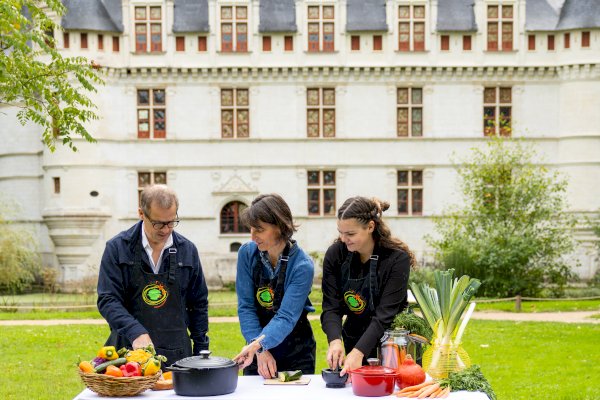
The Loire Valley's culinary reputation focuses on château restaurants and wine pairing menus, but the region's true food culture thrives in Wednesday and Saturday morning markets in smaller towns.

The market in Loches—a working medieval fortress town, not a tourist destination—showcases the valley's actual food ecosystem: producers from local châteaux farms, goat cheese makers from villages you've never heard of, honey from family apiaries, and produce from back gardens. Unlike the Parisian markets that cater to tourists, these are shopping expeditions for locals who have been buying from the same vendors for decades.

One vendor, Madame Claudine, sells terrines made from recipes her mother's mother developed—they're never advertised and only appear when she feels like making them. Another booth sells nothing but freshly pressed cider from heritage apple varieties you won't find commercially.

The market in Amboise is similarly revealing—you'll find local producers of rillettes (a Loire delicacy of shredded pork), fouaces (ancient sweet bread that predates the Renaissance), and fresh-water fish from the Loire itself. Arrive early to beat the locals, bring a cloth bag, and ask vendors where their ingredients come from—these conversations reveal micro-ecosystems of production invisible to tourists.

The charcuterie and fromage you buy here will taste dramatically different from what you'd select at a tourist-oriented shop, because you're buying from people actually connected to the land. This is where you'll understand the Loire Valley not as a destination, but as a living, working food region.

04

Riverside Paths and Agricultural Landscapes Off the Road

Riverside Paths and Agricultural Landscapes Off the Road
Change image

The Loire Valley is France's longest river, and while the châteaux line the banks, the real landscape reveals itself along the pedestrian paths and towpaths that locals use for walking and cycling. The Val de Loire UNESCO site includes thousands of kilometers of trails, but most tourists stick to the Grand Circuite between major castles.

The secret is exploring the petite routes—narrow paved lanes that wind between orchards, vegetable fields, and working farms, connecting small villages that don't appear on standard maps. Between Tours and Amboise, the path along the Loire itself, especially the section near Lussault-sur-Loire, offers authentic rural experience: you'll pass fishing villages unchanged since the 1950s, see herons hunting from the riverbank, and encounter farmers herding cattle across the path at dawn.

The Cher Valley, a tributary valley less famous than the Loire proper, contains villages like Valencay and Levroux that feel genuinely removed from tourist circulation. Rent a bicycle and spend a morning cycling from Valencay along the Cher, passing through farmland where locals wave from tractors and the only sound is bird calls and your own breathing. The valley's historic tow paths, once used by draft animals pulling barges, are now peaceful walking routes where you'll meet other walkers who are clearly not tourists but residents taking their daily constitutional.

These paths reveal the Loire Valley's actual identity—an agricultural region where wine, fruit, and grain production remain central to daily life, and where the castles, while architecturally magnificent, are ultimately secondary to the working landscape that surrounds them.

05

Contemporary Art and Literary Spaces Locals Guard Jealously

Contemporary Art and Literary Spaces Locals Guard Jealously
Change image

While literary tourists flock to Proust sites and Impressionist painting locations, insiders know the Loire Valley contains a thriving contemporary art scene virtually unknown to casual visitors.

The Chartreuse de Villeneuve near Amboise is a working 12th-century monastery that doubles as a contemporary art residency and exhibition space—artists in residence work alongside monastic exhibits, creating an extraordinary collision between medieval spirituality and modern practice. It's barely mentioned in guidebooks despite being genuinely extraordinary.

Similarly, the small galleries in Tours' Vieux Quartier (Old Town), particularly around the pedestrian streets near the Cathedral, showcase emerging artists working in studios you can actually visit—conversation with these creators reveals how the Loire Valley remains an affordable refuge for artists priced out of Paris. The literary connection runs deeper than most realize: Balzac wrote extensively about the region, Rabelais was born here, and contemporary French authors continue setting novels in Loire landscapes.

The Abbaye de Fontevraud, often overcrowded with tourists viewing the perfectly preserved royal tombs, opens its library and manuscript collection to anyone who asks at the reception desk—few do. You can sit in medieval silence reading Gregorian manuscripts and Renaissance religious texts undisturbed by crowds.

The Loire Valley's contemporary art scene thrives because it's relatively undiscovered: emerging galleries, artist collectives, and performance spaces operate without the Instagram-driven tourism economy that has transformed other French regions. Spend an afternoon in a local gallery, attend an evening concert at a church (many free to visitors), or visit artist studios during open-studio events—these experiences connect you to the valley's living culture rather than its historical reputation.

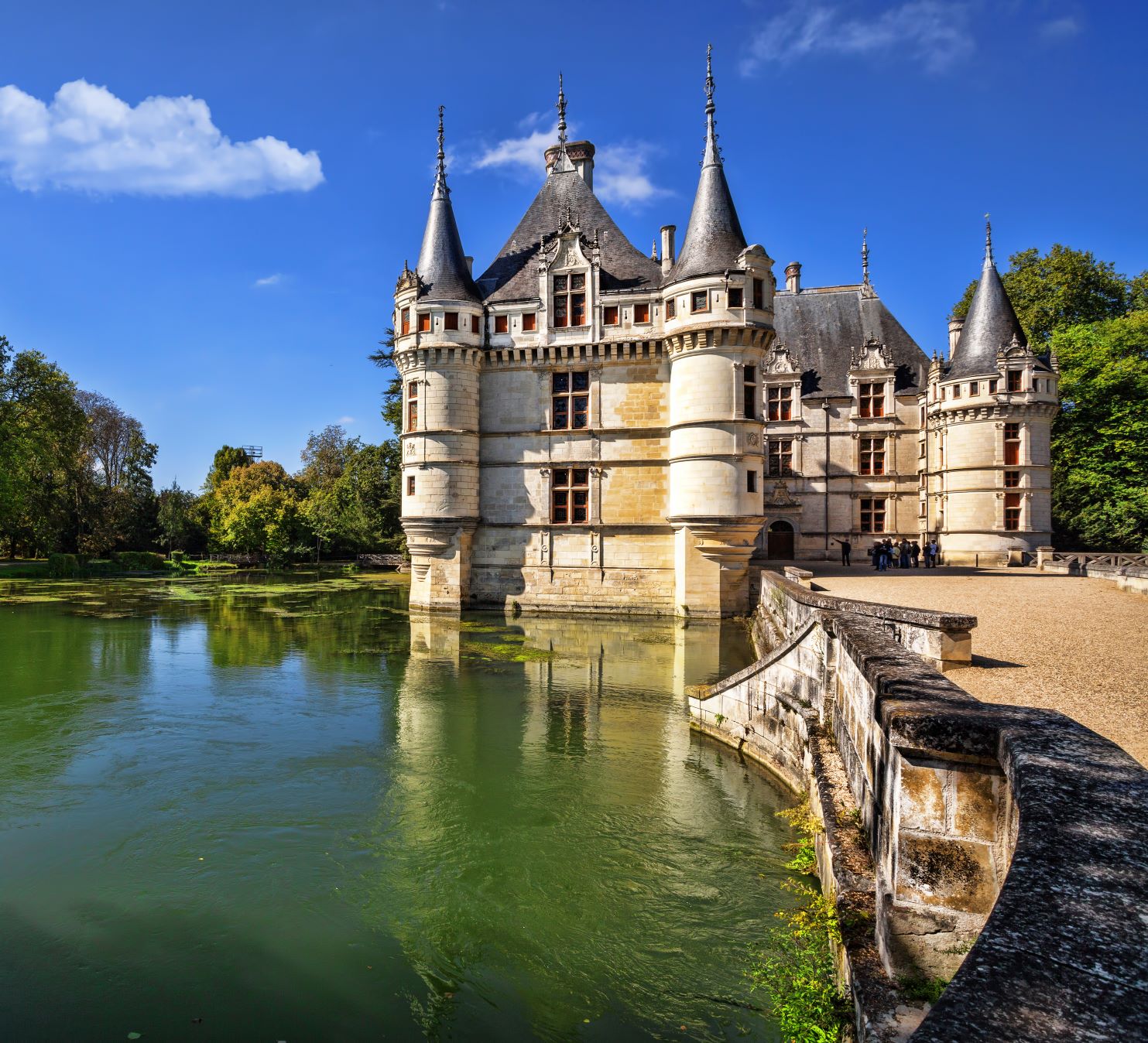
Azay-le-Rideau Castle Half-Day Tour from Tours - Small Group

$65

Book Now →

Ready to Explore?

Ophorus offers expertly guided small-group and private tours throughout the Loire Valley that move beyond the standard château itinerary—their local guides know exactly which villages, wineries, and pathways reveal the region's authentic character.

View All Tours
 
Ophorus trusted reviews

Secured payments

Ophorus trusted reviews

Easy cancellation

Ophorus trusted reviews

Trusted reviews