Please wait



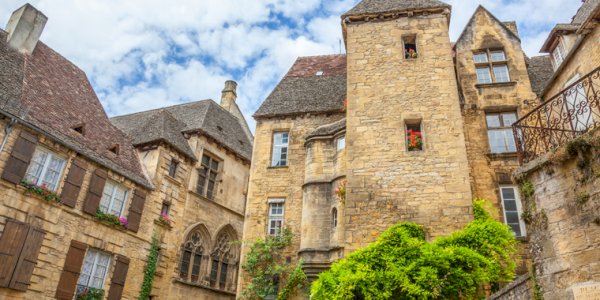
Tucked into the heart of the Dordogne Valley, Sarlat-la-Canéda is a medieval masterpiece frozen in time, where golden stone buildings cascade down hillsides and ancient markets pulse with life. This essential first-timer's guide reveals how to navigate the town's labyrinthine streets, uncover hidden dining gems, and experience the region's most spectacular natural and cultural treasures.
Before you finalize your plans, you can also browse our Dordogne Travel Guide: Villages, Prehistory & Timeless France (2026) for practical tips on when to visit, how long to stay and which routes work best.
Getting There and Navigating Sarlat's Medieval Layout

Arriving in Sarlat requires patience and planning—the town's ancient streets were designed for horses, not cars. Most visitors fly into Bordeaux-Mérignac Airport (2.5 hours southwest) or Toulouse-Blagnac (2 hours south), then rent a car for scenic countryside drives. Once in Sarlat, abandon your vehicle immediately; the pedestrian-only old town is the lifeblood of the experience.
Grab a paper map from the tourist office near the Cathedral of Saint-Sacerdos and surrender to wandering. The town's layout radiates from the cathedral, with narrow passageways connecting hidden courtyards and Renaissance mansions.
Pro tip: stay within the ramparts if possible—hotels in Rue de la Salamandre or near Place de la Liberté offer authentic town living. Wear comfortable walking shoes; cobblestones are unforgiving, and you'll clock 15,000+ steps daily exploring every corner. Allow 3-4 days minimum to truly absorb the atmosphere, attend the famous Saturday morning market, and venture into surrounding villages without rushing.
Mastering the Legendary Saturday Market Experience
 Change image
Sarlat's Saturday morning market is the pulsing heart of Périgord Noir culture—arrive by 7:30 AM to witness the spectacle unfold across Place de la Liberté and surrounding squares. Here, vendors display pyramids of walnuts, wheels of creamy Sarlat cheese, fresh foie gras, truffles (in season), and produce you've never seen.
The market draws crowds by 9 AM, transforming narrow streets into a sensory carnival of French regional flavors. Bring cash—many vendors resist cards—and arrive hungry. Start with fresh croissants, then work through charcuterie samples, local wine tastings, and confectionery stalls. The market operates rain or shine every Saturday year-round, making it an essential cultural immersion.
For deeper insight into local ingredients and culinary traditions, book the **Sarlat Market & Gourmet Food Tour** at $40 per person, where a local expert guides you through vendor stalls, explains regional specialties, and introduces you to producers who've supplied Sarlat families for generations. This 2-hour experience transforms a market visit into a masterclass in Périgord gastronomy. Photograph the vendor faces and produce arrangements—these images become memories more vivid than any souvenir.
Sarlat Market & Gourmet Food Tour - Small Group
$40
Exploring Prehistoric Wonders and Cave Art

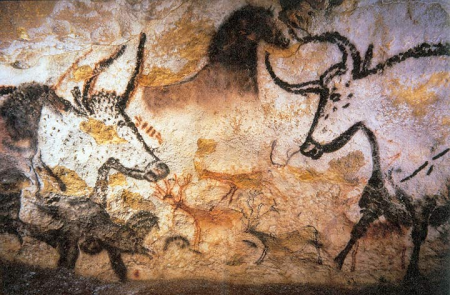
The Dordogne region surrounding Sarlat is an archaeological wonderland containing some of Europe's most significant prehistoric sites. Lascaux IV Cave, located 45 minutes north near Montignac, is the revolutionary replica of the original Paleolithic masterpiece—a UNESCO World Heritage site featuring 17,000-year-old handprints and animal murals.
The modern museum experience immerses you in 4D environments, explaining ancient artistic techniques and the site's historical significance. Other essential caves include Font-de-Gaume (real prehistoric paintings, 30 minutes away) and Combarelles (underground sculpture gallery).
Plan cave visits carefully: many sites require reserved timeslots, and claustrophobic visitors should reconsider cramped passages.
The **Lascaux IV Cave Art Half-Day Tour** at $70 per person includes transportation from Sarlat and expert commentary about prehistoric settlement patterns, animal symbolism, and the mystery of ancient art creation.
This half-day adventure departs mornings or afternoons, fitting perfectly into your itinerary. Bring a sweater—caves maintain cool temperatures year-round. Photography restrictions vary by site; ask guides before attempting photos. These encounters with humanity's oldest artistic impulses create profound emotional connections that transcend typical tourism.
For a broader look at how the Prehistoric sites fit into the region, plus tips on combining Sarlat with other key locations, see our Dordogne Prehistory Guide: Lascaux, Caves & Early Humanity (2026).
Lascaux IV Cave Art Half-Day Tour from Sarlat - Small Group
$70
Discovering Dramatic Clifftop Villages and Châteaux

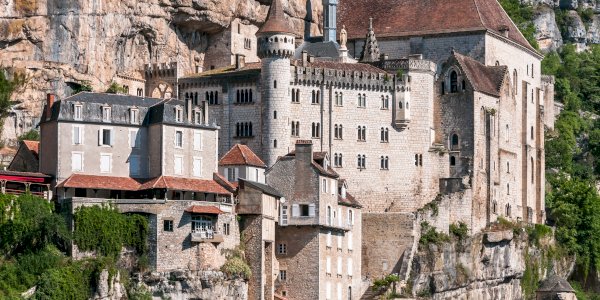
The Dordogne's landscape features a dozen jaw-dropping medieval villages perched impossibly on limestone cliffs. Rocamadour, 30 minutes southwest, is the most iconic—a vertical village where sanctuaries seem carved into cliff faces, accessible by winding staircases carved centuries ago.
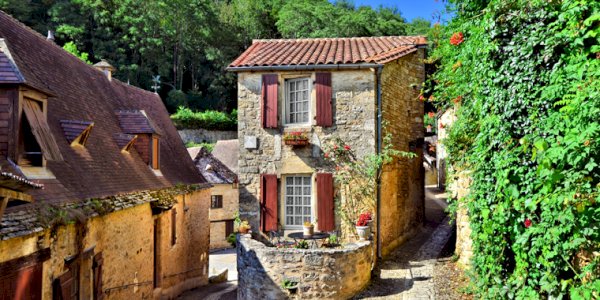
La Roque-Gageac, on the Dordogne River's southern bank, features canary-yellow buildings cascading toward the water, creating Instagram-perfect vistas. Saint-Cirq-Lapopie, further south in the Lot region, commands a 100-meter clifftop with 360-degree panoramic views.
Bonaguil Castle, a 13th-century fortress rising from forested terrain south of Sarlat, represents the region's most impressive military architecture—its towers and ramparts dominated the landscape for centuries.
Visit villages early morning before tour buses arrive; afternoon crowds transform magical places into theme parks. Each village requires 1-2 hours exploration—wander narrow streets, peek into artist studios, enjoy riverside picnics, and climb to viewpoints for landscape photography.
Many villages contain modest museums and churches worth quick visits. Pack comfortable shoes with grip; these ancient settlements involve substantial climbing. The contrast between cliff-edge villages and valley river views creates dramatic landscape photography opportunities you'll treasure forever.
Learn more about these great destinations in our Dordogne Villages Guide: Beynac, La Roque-Gageac, Domme & Beyond (2026)
Planning Wine and Gastronomic Adventures

The Dordogne Valley produces exceptional wines that reflect terroir deeply—Périgord reds from Bergerac and Cahors, crisp whites from local producers, and fortified Monbazillac dessert wines that pair perfectly with foie gras.
The region's gastronomic reputation rests on walnut oil, duck confit, pâtés, and truffles that transform simple dishes into celebrations. Bergerac, 45 minutes southeast, hosts wine estates offering tastings and tours; many welcome walk-ins but advance reservations guarantee better experiences.
The famous Périgord markets overflow with culinary treasures year-round—acquire ingredients for picnics that become memories. Restaurant dining in Sarlat ranges from casual crêperies to Michelin-starred establishments. Reserve tables at mid-range restaurants like Le Presidial or Madame de Pompadour for exceptional local cooking without extreme pricing. Budget €25-45 per person for lunch, €40-80 for dinner. Wine tastings typically cost €10-25 per person.
Many restaurants close Mondays and Tuesdays—plan accordingly. Consider purchasing a food-focused guidebook detailing Périgord specialties; understanding what you're eating amplifies enjoyment exponentially. The walnut oil drizzled over salads, the duck confit melting on your tongue, the wine warming your chest—these sensory experiences define Dordogne travel.
Creating Your Perfect Itinerary and Pacing

First-timers often overpack schedules, racing between attractions and missing the unhurried magic Sarlat demands.
A ideal 4-5 day itinerary balances structure with spontaneity:
Day 1 focuses on Sarlat orientation—explore the old town, attend the tourist office briefing, enjoy dinner at a atmospheric restaurant.
Day 2 tackles Rocamadour and clifftop villages with early departures before crowds arrive.
Day 3 explores cave sites like Lascaux IV, potentially combining with Font-de-Gaume.
Day 4 ventures to wine regions (Bergerac) or lesser-known villages like Domme.
Day 5 becomes a buffer day for lingering, shopping, and revisiting favorite spots. Build in afternoon rest periods; the medieval streets and hilltop climbing exhaust even fit travelers.
Weather dramatically affects experience—spring (April-May) and fall (September-October) offer perfect temperatures and manageable crowds. Summer brings intense heat and tourism surge; winter provides solitude but shorter daylight hours.
Book accommodations 4-6 weeks ahead for summer, 2-3 weeks for shoulder seasons. Purchase a Dordogne regional pass (€60-90) covering multiple cave sites and villages, saving €15-25 versus individual admissions.
Most importantly, abandon rigid schedules entirely. The best travel moments emerge from unexpected encounters—a village festival, a restaurant recommendation from a stranger, an unplanned hike discovering a hidden waterfall. Sarlat rewards those willing to wander.
Ready to Explore?
Ophorus offers expertly guided tours from Sarlat including the Journey into History: Dordogne Day Tour ($120, small group) and private village explorations that transform sightseeing into genuine cultural immersion with local expertise and logistical efficiency.
View All Tours